
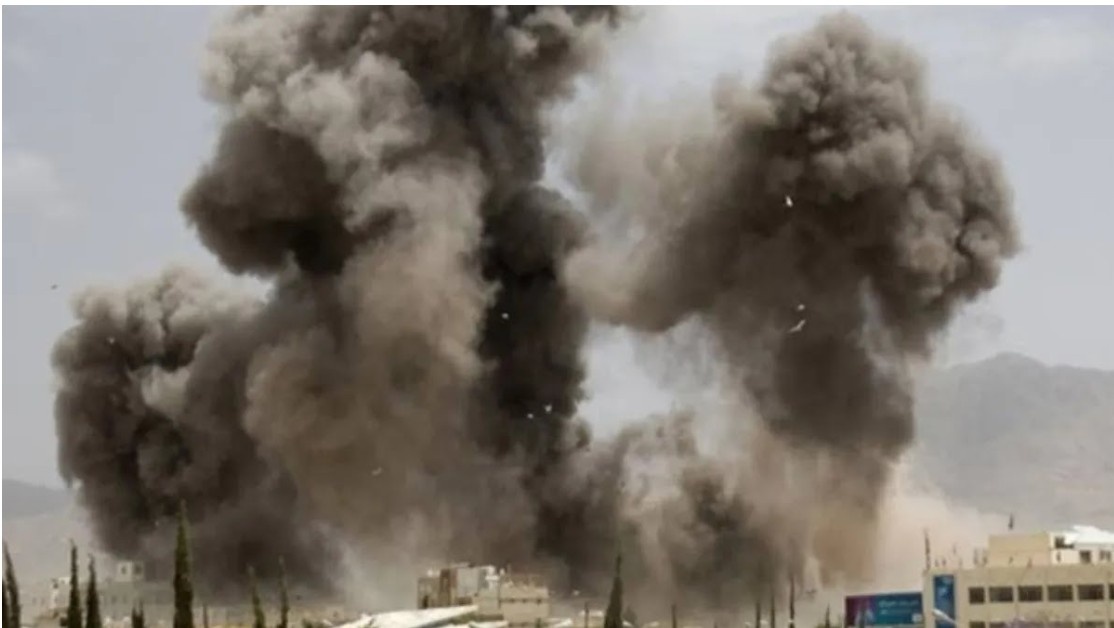
At least 12 people, including five Indian nationals, were injured in Abu Dhabi on Friday after debris from an intercepted missile fell into a populated area, underscoring the growing risks to civilians from escalating regional tensions and air defence operations.
According to officials, the incident occurred in the Ajban area, located on the outskirts of Abu Dhabi, when the United Arab Emirates’ air defence systems successfully intercepted incoming aerial threats. While the interception prevented a direct strike, fragments from the destroyed missile descended into residential zones, causing injuries on the ground.
Authorities confirmed that the injured included five Indians and several other foreign nationals, with reports indicating that most sustained minor to moderate injuries. At least one individual was said to be seriously hurt. Emergency services responded promptly, providing medical assistance and securing the affected area.
The Abu Dhabi Media Office stated that the injuries were the result of falling shrapnel following what it described as a “successful interception” of missile and drone threats. The development comes amid heightened hostilities in the region, where repeated aerial attacks have been reported as part of the ongoing conflict involving Iran and its regional adversaries.
Friday’s incident is part of a broader pattern of attacks and interceptions that have increasingly affected civilian areas across the UAE. Defence authorities revealed that multiple ballistic missiles, cruise missiles, and drones were intercepted on the same day, reflecting the scale and intensity of the ongoing threat.
Experts note that while air defence systems are effective in neutralising incoming threats, they cannot fully eliminate the danger posed by falling debris. The Ajban incident highlights the unintended consequences of such interceptions, particularly in densely inhabited regions.
In a related development, debris from similar interception activity reportedly caused disruptions at key energy infrastructure sites, including the Habshan gas facility, where operations were temporarily halted after a fire broke out.
Since the escalation of conflict in late February, the UAE has witnessed a series of missile and drone attacks, most of which have been intercepted. However, falling debris has repeatedly led to injuries, property damage, and occasional fatalities, illustrating the widening spillover of the conflict into civilian life.
Authorities have urged residents to remain indoors during alerts and to follow official safety advisories. Public warnings have been issued across major cities, including Abu Dhabi and Dubai, as a precaution against further incidents.
The presence of Indian nationals among the injured has once again drawn attention to the large expatriate population in the Gulf region and their vulnerability during periods of geopolitical instability. Indian authorities are yet to issue a detailed statement on the incident, but such developments are closely monitored given the significant diaspora in the UAE.
As tensions persist, the Ajban episode serves as a stark reminder that even successful defensive measures can carry risks, with civilians often bearing the unintended consequences of modern aerial warfare.
Edited by Madhusudhan Reddy
Last Updated on: Friday, April 3, 2026 7:46 pm by Madhusudhan Reddy | Published by: Madhusudhan Reddy on Friday, April 3, 2026 7:46 pm | News Categories: Trending, India