
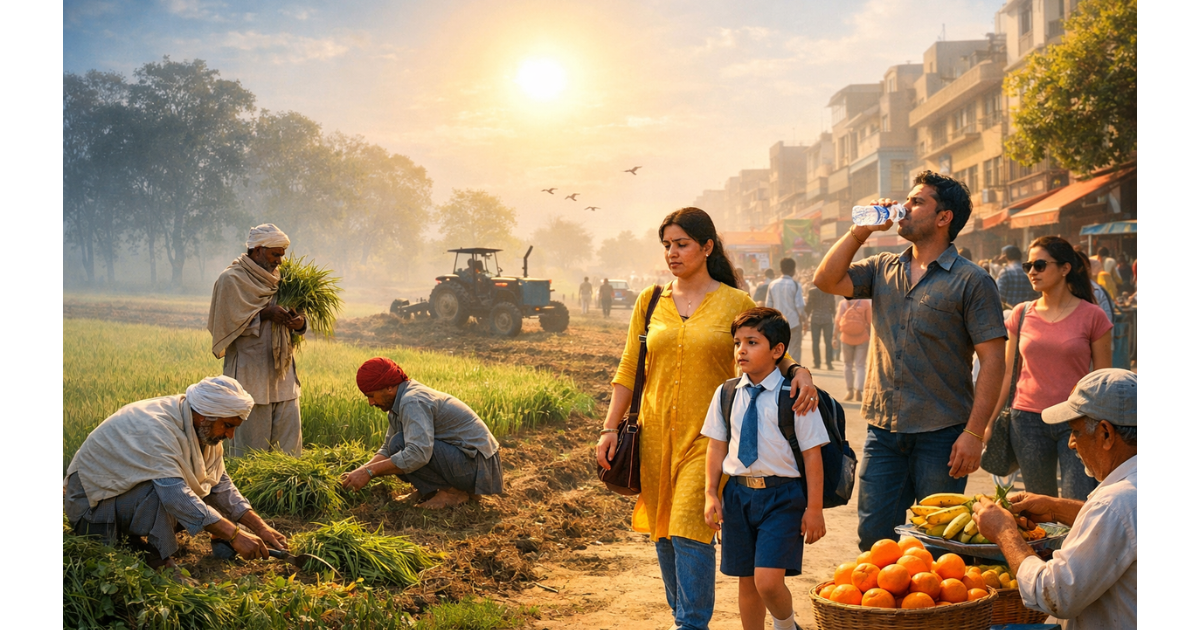
February occupies a unique place in India’s weather calendar. It acts as a transition month, quietly marking the shift from winter to the early signs of summer. While the changes may appear subtle on the surface, February’s seasonal patterns have a deep and wide-ranging impact on public health, agriculture, water availability, and everyday routines. Understanding these changes is important, especially as climate variability has made seasonal behaviour less predictable in recent years.
February as a Transitional Weather Month
Meteorologically, February signals the gradual withdrawal of winter conditions across most parts of India. Northern regions still experience cool mornings and nights, but daytime temperatures begin to rise steadily. Fog events reduce compared to January, and sunshine hours increase, creating a noticeable change in thermal comfort.
In central and western India, winter chill weakens further, and temperatures start moving closer to pre-summer levels. Southern India remains largely stable, with warm days and moderate nights, although humidity levels may begin to rise along coastal belts. This gradual warming sets the stage for the hot months ahead, making February a critical adjustment period for both people and ecosystems.
Shifting Weather Patterns Across Regions
February’s weather does not behave uniformly across the country. Northern plains witness fluctuating temperatures, with occasional western disturbances bringing light rain and brief cold spells. These systems play an important role in maintaining soil moisture and replenishing water resources, particularly in wheat-growing regions.
Hilly areas continue to receive snowfall at higher altitudes, supporting glaciers and river systems that are vital for summer water supply. Meanwhile, eastern and northeastern states may experience intermittent rainfall, which helps sustain winter crops and forest ecosystems. In the south, dry conditions dominate, although isolated showers can occur due to local weather systems.
Impact on Human Health and Well-being
The seasonal shift in February has mixed implications for health. The combination of cool mornings and warmer afternoons increases the risk of respiratory infections, allergies, and viral fevers. Sudden temperature variations can weaken immunity, particularly among children and the elderly.
As winter illnesses like colds and coughs gradually decline, cases of dehydration, skin dryness, and early heat-related discomfort may begin to appear in some regions. Rising pollen levels during this month also contribute to allergic reactions, making February a sensitive period for those with asthma or sinus conditions.
At the same time, improved sunlight exposure and more pleasant daytime temperatures positively affect mental health, encouraging outdoor activity and physical exercise after months of limited winter mobility.
Effects on Agriculture and Crop Cycles
For Indian agriculture, February is a crucial month. Rabi crops such as wheat, mustard, barley, and pulses are in their final growth stages. Stable temperatures and occasional rainfall during this period significantly influence yield quality and quantity.
Excessive heat during February can accelerate crop maturity, reducing grain weight and overall productivity. On the other hand, unseasonal rain or hailstorms can damage standing crops, particularly in northern and central India. Farmers closely monitor weather forecasts during this month, as even small deviations from normal conditions can have economic consequences.
Horticulture also feels the impact, with fruits like mango beginning early flowering in some regions. Weather stability during February is vital to ensure healthy fruit development in the months ahead.
Influence on Water Resources and Environment
February’s weather patterns contribute to the gradual recharge and redistribution of water resources. Snowfall in the Himalayas and rainfall from western disturbances support river flows that become essential during the dry summer months. Reduced fog and increased sunlight also affect evaporation rates, influencing soil moisture levels and surface water bodies.
Wildlife and natural ecosystems respond to these changes as well. Many species begin adjusting their behaviour, with migratory birds preparing for departure and flora entering new growth cycles. Any disruption in February’s typical climate rhythm can have cascading environmental effects.
Changes in Daily Life and Social Routines
For most people, February brings a noticeable improvement in daily comfort. Reduced cold stress lowers energy consumption for heating, while longer daylight hours encourage productivity and travel. Schools, outdoor events, and construction activities often see higher participation during this period.
Urban lifestyles adapt to the warming trend, with shifts in clothing choices, food preferences, and commuting patterns. In rural areas, farming schedules intensify as harvest preparations begin. Festivals and social gatherings also increase, taking advantage of the relatively mild weather before summer heat sets in.
February in the Context of Climate Change
In recent years, February has shown signs of increasing unpredictability. Episodes of extreme warmth, unseasonal rainfall, and sudden cold spells have become more frequent, raising concerns among scientists and policymakers. These anomalies not only affect immediate comfort but also disrupt agricultural planning and public health preparedness.
Climate experts note that changes observed in February often serve as early indicators of broader seasonal shifts. Monitoring this month closely helps in understanding long-term climate trends and preparing adaptive strategies for food security, water management, and health systems.
Why February’s Weather Matters More Than It Seems
Though often overlooked, February plays a decisive role in shaping the months that follow. Its weather patterns influence crop outcomes, health trends, and environmental stability well into summer. As India navigates growing climate challenges, understanding and responding to February’s seasonal changes becomes increasingly important for policymakers, farmers, healthcare professionals, and citizens alike.
Add newsproton.com as a preferred source on google – click here
Last Updated on: Monday, February 2, 2026 4:12 pm by News Proton Team | Published by: News Proton Team on Monday, February 2, 2026 4:12 pm | News Categories: News