
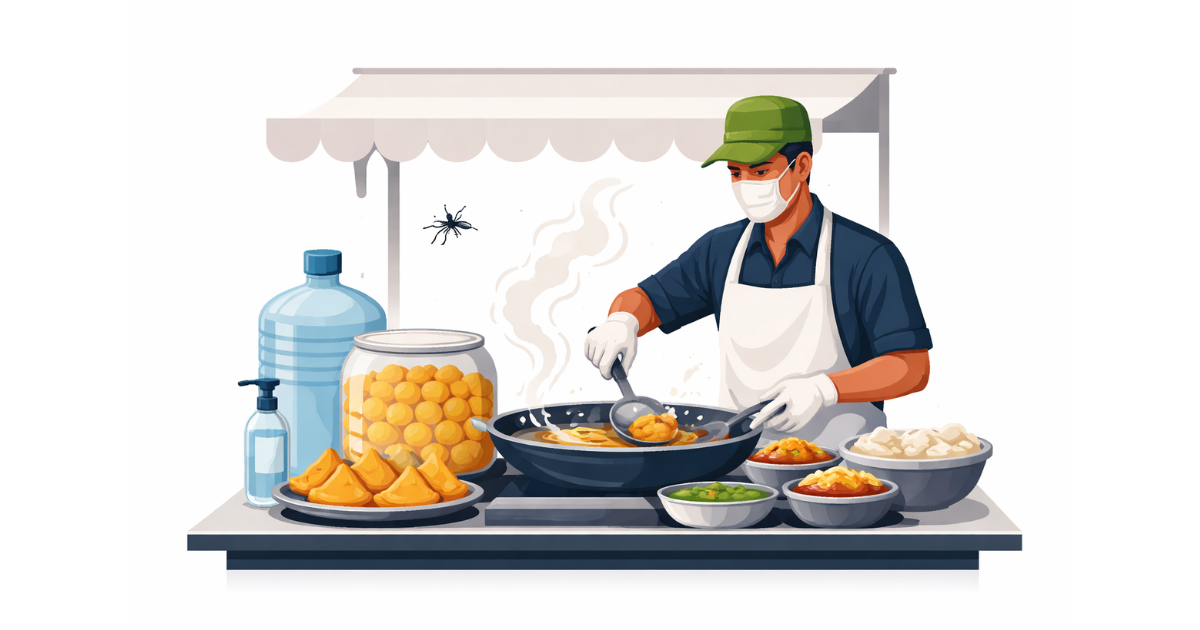
India’s street food culture is inseparable from its daily life. From bustling market corners in Delhi and Mumbai to roadside carts in small towns, quick, affordable snacks form a vital part of urban and semi-urban food habits. While these foods offer convenience and regional flavour, concerns around hygiene and food safety continue to surface, particularly during summer and monsoon months when cases of foodborne illness typically rise.
Food safety in India is regulated by the Food Safety and Standards Authority of India, which sets standards for food preparation, storage and handling. Although many licensed establishments adhere to these norms, street vendors often operate in informal settings where access to clean water, refrigeration and structured waste disposal may be limited. Public health experts note that contamination risks most commonly stem from unsafe water, improper storage temperatures, cross-contamination between raw and cooked items, and exposure to dust or flies.
However, doctors and nutritionists say that enjoying street food does not necessarily mean compromising on health. The key lies in making informed choices and observing basic safety cues before placing an order. One of the most reliable precautions is choosing vendors who maintain visible cleanliness. Clean cooking surfaces, covered ingredients, proper handling of utensils and regular handwashing are signs that reduce the likelihood of contamination. Busy stalls with high customer turnover are often safer because food is prepared in smaller, fresher batches and consumed quickly, limiting the time available for bacterial growth.
Freshly cooked, hot food remains one of the safest options. High cooking temperatures can eliminate most harmful bacteria. Snacks such as dosas prepared on a hot griddle, freshly fried samosas, steaming idlis or pav bhaji served directly from a heated pan generally carry lower risk compared to items that have been left exposed for long periods. Experts caution against consuming food that appears stale or is stored at room temperature for extended hours, especially in India’s warm climate where bacteria multiply rapidly.
Water quality is another critical factor. Items that involve flavoured water, such as pani puri, can pose risks if untreated water is used. Health authorities advise consumers to prefer vendors who use filtered or packaged water. Similarly, chutneys made from coriander, mint or tamarind require proper storage. Without refrigeration or quick turnover, these condiments can spoil and become a source of infection. Raw cut fruits sold in open environments also present hygiene concerns if the washing water is not safe.
Beyond microbial safety, nutritional quality is an equally important consideration. Many popular street snacks are deep-fried or cooked in refined oil that may be reused multiple times. Repeated heating of cooking oil can lead to the formation of harmful compounds. While customers cannot always verify oil quality, choosing items prepared in small batches and cooked fresh can reduce exposure to repeatedly heated oil. Opting for steamed or roasted alternatives, such as idli, dhokla or roasted corn, may also lower the intake of excess fat.
Seasonal awareness can further reduce risk. Medical practitioners frequently report a higher incidence of gastrointestinal infections during the monsoon, when humidity and water contamination are more common. During such periods, extra caution with raw foods and exposed items is advisable. Eating street food during peak hours, when turnover is high and preparation is active, can also improve safety.
Personal hygiene plays a role as well. Washing or sanitising hands before eating and avoiding contact with unclean surfaces can significantly cut down infection risk. Children, elderly individuals and those with compromised immunity are generally advised to be more cautious with roadside foods.
In recent years, efforts have been made to improve standards within the informal food sector. Initiatives aimed at training vendors in safe food handling practices and promoting designated “clean street food hubs” reflect a growing emphasis on public health without undermining livelihoods. These measures aim to balance cultural food traditions with modern hygiene expectations.
Street food remains an essential part of India’s culinary identity. With greater consumer awareness, careful vendor selection and simple preventive steps, it is possible to enjoy beloved snacks while minimising hygiene risks. The goal, health experts say, is not to eliminate indulgence but to make it safer and more mindful.
Add newsproton.com as preferred source on google – Click here
Disclaimer: The information presented in this article is intended for general informational purposes only. While every effort is made to ensure accuracy, completeness, and timeliness, data such as prices, market figures, government notifications, weather updates, holiday announcements, and public advisories are subject to change and may vary based on location and official revisions. Readers are strongly encouraged to verify details from relevant official sources before making financial, investment, career, travel, or personal decisions. This publication does not provide financial, investment, legal, or professional advice and shall not be held liable for any losses, damages, or actions taken in reliance on the information provided.
Last Updated on: Thursday, February 19, 2026 10:48 am by News Proton Team | Published by: News Proton Team on Thursday, February 19, 2026 10:48 am | News Categories: General