
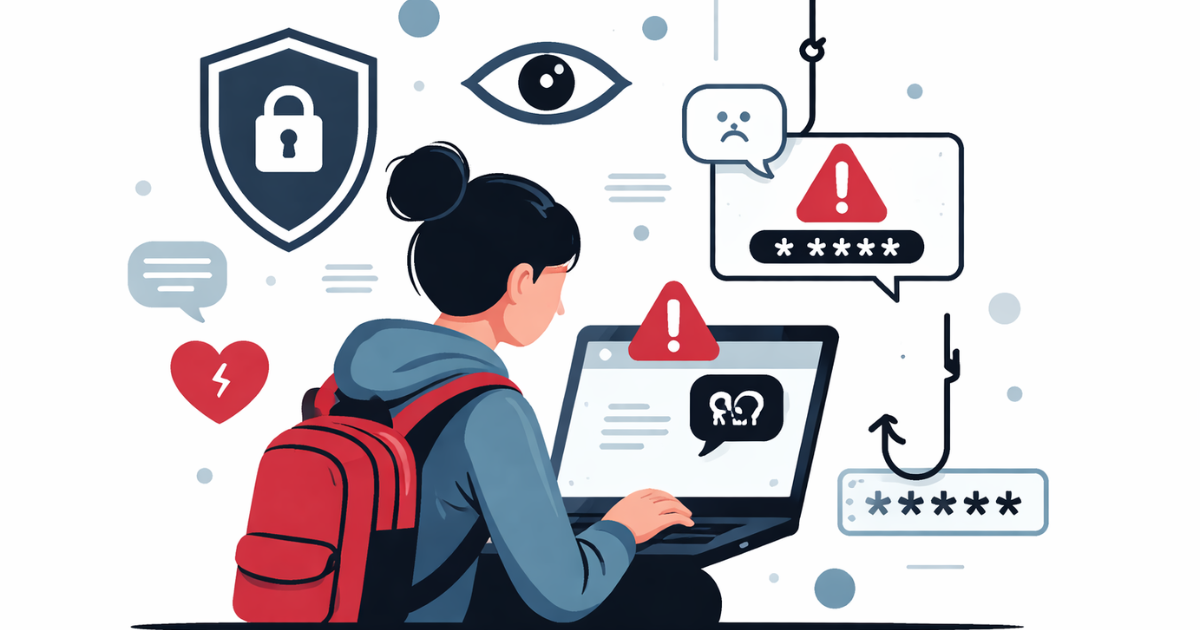
classrooms across India and around the world marked Safer Internet Day with a unified message: digital spaces must be safe, inclusive and empowering for children and young people. Observed annually on the second Tuesday of February, Safer Internet Day has evolved into a global movement focused on promoting responsible technology use, strengthening digital literacy and reducing online harm.
This year’s observance came at a time when students are more connected than ever before. With the widespread use of smartphones, social media platforms, online gaming communities and AI-powered tools, young users are navigating an internet environment that offers both opportunity and risk. Schools responded by placing digital safety at the centre of assemblies, workshops and classroom discussions, reinforcing the importance of critical thinking and responsible online behaviour.
Educational institutions played a leading role in 2026’s campaign by integrating structured conversations on cyberbullying, privacy protection, misinformation and responsible AI usage into their academic schedules. Teachers facilitated guided discussions about the consequences of online harassment, the permanence of digital footprints and the importance of reporting harmful content. Many schools also engaged parents through awareness sessions aimed at strengthening supervision and communication at home.
In India, non-governmental organisations collaborated with schools to address technology-facilitated harm among adolescents. Campaigns conducted in Delhi schools focused on helping students identify and respond to online abuse, including forms of harassment that disproportionately affect girls. By encouraging open dialogue, these initiatives sought to reduce stigma and empower young users to seek help when needed.
Globally, Safer Internet Day continued to highlight the need for digital citizenship education. Technology companies and child safety organisations released updated resources for educators, including classroom toolkits designed to explain emerging technologies such as artificial intelligence in age-appropriate ways. The increasing presence of AI tools in education and social platforms has prompted experts to stress the importance of helping students understand both the benefits and the ethical implications of such systems.
Research in recent years has consistently shown that cyberbullying, online scams and exposure to harmful content remain among the most common risks faced by teenagers. Surveys conducted in multiple countries indicate that young people continue to encounter online hostility, misinformation and privacy breaches. Educators and child rights advocates argue that awareness alone is insufficient; structured education and community involvement are necessary to create lasting behavioural change.
Schools participating in Safer Internet Day 2026 emphasised preventive education rather than reactive measures. Activities ranged from student-led digital pledges to role-play exercises demonstrating how to intervene safely in cases of cyberbullying. The aim was to cultivate empathy, resilience and accountability among students, ensuring that they are not only protected online but also active contributors to safer digital communities.
Policy discussions around child online safety have also intensified in recent years, with governments exploring stronger regulations for digital platforms. While regulatory frameworks continue to evolve, educators maintain that classroom engagement remains one of the most effective tools for combating online harm. By equipping students with practical skills such as verifying information sources, managing privacy settings and recognising manipulative content, schools act as a frontline defence against digital threats.
Safer Internet Day 2026 underscored a broader shift in the conversation around youth and technology. Rather than portraying students solely as vulnerable users, the campaign recognised them as informed participants capable of making responsible choices when given proper guidance. The emphasis on dialogue, education and collaboration reflected a growing understanding that digital wellbeing is a shared responsibility among schools, families, policymakers and technology companies.
As the digital landscape continues to evolve, the role of educational institutions is likely to expand further. The message delivered across campuses this February was clear: safeguarding children online is not a one-day initiative but an ongoing commitment. By fostering digital literacy, encouraging open communication and promoting ethical online conduct, schools are shaping a generation better prepared to navigate the complexities of the modern internet.
Safer Internet Day 2026 may have been marked on a single date, but its impact depends on sustained action. With students spending significant portions of their academic and social lives online, the responsibility to create safer digital environments remains urgent. Through continued education and collaboration, schools are positioning themselves at the forefront of this global effort to combat online harm and build a more secure digital future for young people.
Add newsproton.com as preferred source on google – Click here
Disclaimer: The information presented in this article is intended for general informational purposes only. While every effort is made to ensure accuracy, completeness, and timeliness, data such as prices, market figures, government notifications, weather updates, holiday announcements, and public advisories are subject to change and may vary based on location and official revisions. Readers are strongly encouraged to verify details from relevant official sources before making financial, investment, career, travel, or personal decisions. This publication does not provide financial, investment, legal, or professional advice and shall not be held liable for any losses, damages, or actions taken in reliance on the information provided.
Last Updated on: Friday, February 13, 2026 12:55 pm by News Proton Team | Published by: News Proton Team on Friday, February 13, 2026 12:55 pm | News Categories: Education