
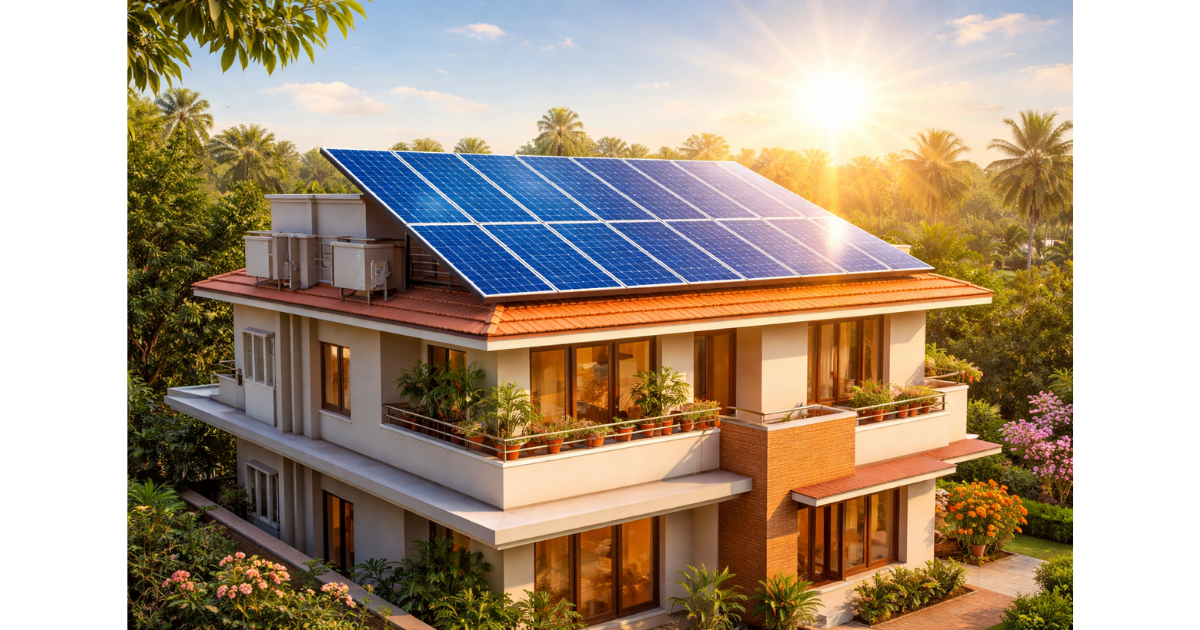
As India steps deeper into 2026 with a renewed focus on clean energy and household savings, the PM Surya Ghar Muft Bijli Yojana has emerged as one of the government’s most ambitious welfare-cum-environmental initiatives. Designed to bring rooftop solar power directly to ordinary households, the scheme aims to reduce electricity bills, promote renewable energy adoption, and empower homeowners to become energy producers rather than just consumers. With rising power demand and increasing tariffs in many states, the scheme is being seen as both a financial relief measure and a long-term sustainability strategy.
What the PM Surya Ghar Muft Bijli Yojana Is All About
The PM Surya Ghar Muft Bijli Yojana is centred on providing free or highly subsidised electricity to households through the installation of rooftop solar panels. The core promise of the scheme is simple yet transformative: eligible households can generate their own electricity and potentially receive up to 300 units of power per month at zero cost. Excess power generated can be fed back into the grid, allowing homeowners to further reduce their electricity expenses through net metering.
By encouraging decentralised solar power generation, the government is also aiming to reduce pressure on conventional power plants and cut down carbon emissions, aligning the scheme with India’s broader climate commitments.
Eligibility Rules for Homeowners in 2026
The scheme primarily targets residential households that own a house with a suitable rooftop for solar panel installation. Priority is given to middle- and lower-income families, although the scheme is open to a wide range of homeowners depending on state-level guidelines. Applicants must have a valid domestic electricity connection in their name and should not have previously availed benefits under other central solar subsidy schemes for the same purpose.
Rural and semi-urban households are a major focus area, but urban homeowners are equally eligible provided they meet technical and documentation requirements. State governments play a key role in verifying eligibility and facilitating local implementation, which means some rules may vary slightly across regions.
Key Benefits for Households
For homeowners, the most immediate benefit is a drastic reduction in monthly electricity bills. With rooftop solar systems generating free power during daylight hours, dependence on grid electricity falls sharply. Over time, households can recover the remaining cost of installation through savings on power bills, effectively turning the rooftop into a long-term financial asset.
Another significant advantage is energy security. In areas prone to power cuts or voltage fluctuations, solar-equipped homes experience greater reliability, especially when paired with grid connectivity and net metering systems. Additionally, households contributing surplus electricity to the grid become active participants in the national power ecosystem.
Beyond financial savings, the scheme also enhances property value. Homes with installed solar systems are increasingly seen as future-ready, eco-friendly assets, making them more attractive in the real estate market.
Subsidy Structure and Financial Support
Under the PM Surya Ghar Muft Bijli Yojana, the central government provides substantial subsidies for rooftop solar installations, with higher support for smaller systems typically used by average households. The subsidy amount is directly credited, reducing the upfront financial burden on homeowners. In many cases, households only need to pay a fraction of the total installation cost.
To ensure accessibility, the scheme is supported by easy financing options through banks and other financial institutions. Low-interest loans and simplified approval processes are intended to encourage more families to opt for solar power without worrying about high initial expenses.
Implementation and Role of States
While the scheme is driven by the central government, its success largely depends on state electricity boards and local distribution companies. These agencies are responsible for technical inspections, installation approvals, and integration with the existing power grid. States are also tasked with spreading awareness, empanelling certified vendors, and ensuring quality control.
In 2026, increased emphasis is being placed on digital platforms to streamline applications, track subsidy disbursement, and reduce delays. Homeowners can apply online, choose approved vendors, and monitor the progress of their installation, making the process more transparent and user-friendly.
Environmental Impact and National Goals
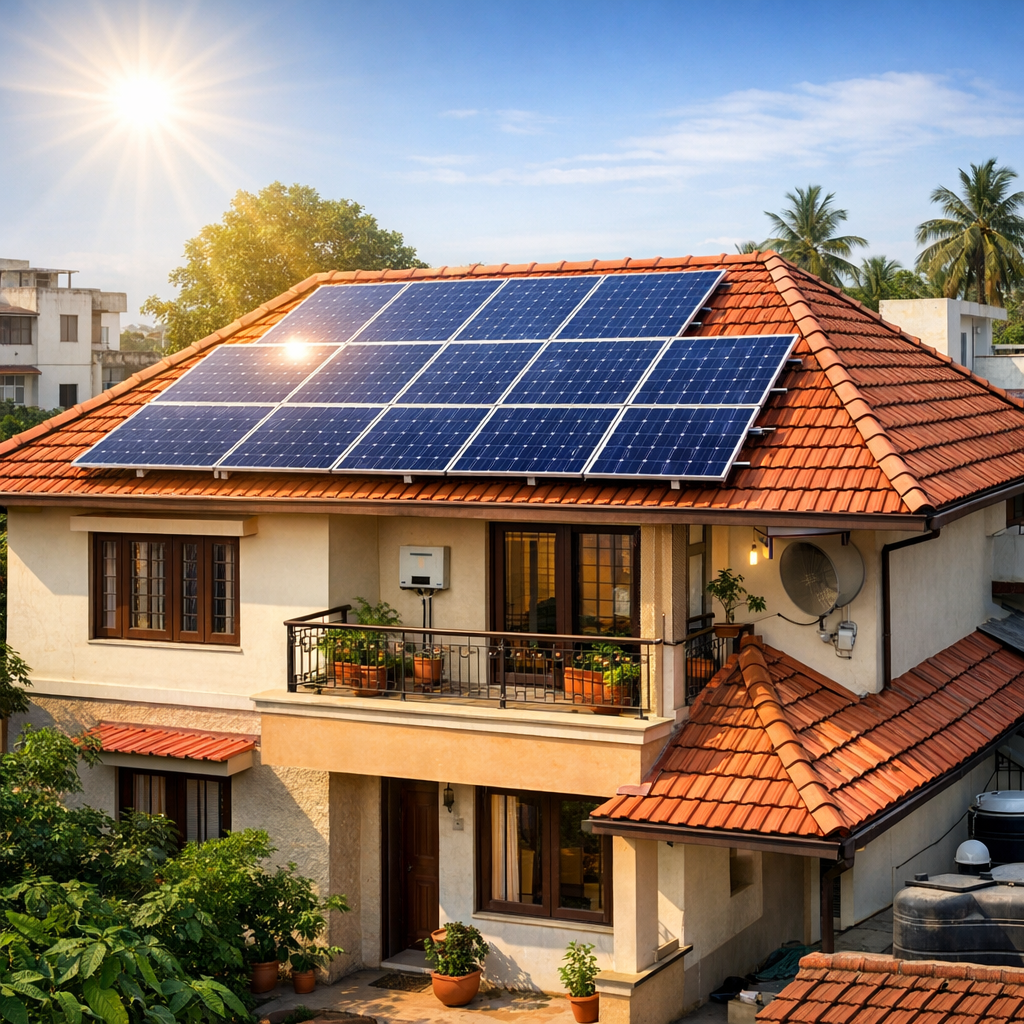
The PM Surya Ghar Muft Bijli Yojana is not just a household welfare scheme; it is a critical component of India’s renewable energy roadmap. By adding millions of small rooftop solar systems across the country, the government expects a significant boost in overall solar capacity. This decentralised model reduces transmission losses and contributes to cleaner air and lower greenhouse gas emissions.
The scheme also supports India’s commitment to reducing dependence on fossil fuels and moving towards energy self-sufficiency. Each solar-powered home becomes a small but meaningful step towards a greener national grid.
Challenges and the Road Ahead
Despite its promise, the scheme faces challenges such as lack of awareness in some regions, rooftop suitability issues in densely populated areas, and the need for skilled technicians to ensure proper installation and maintenance. The government has acknowledged these hurdles and is focusing on training programmes, awareness campaigns, and improved coordination with local bodies.
As the scheme evolves through 2026, policymakers are expected to refine guidelines, expand coverage, and address implementation gaps to ensure that benefits reach every eligible household.
A Transformative Scheme for Indian Homes
The PM Surya Ghar Muft Bijli Yojana represents a shift in how government schemes are designed, blending economic relief with environmental responsibility. For homeowners, it offers a rare opportunity to cut electricity costs, gain energy independence, and contribute to a sustainable future. As more households embrace rooftop solar under this initiative, the scheme has the potential to redefine residential power consumption in India and set a strong foundation for a cleaner, more resilient energy ecosystem.
Add newsproton.com as a preferred source on google – click here
Last Updated on: Wednesday, January 28, 2026 1:18 pm by News Proton Team | Published by: News Proton Team on Wednesday, January 28, 2026 1:18 pm | News Categories: News