
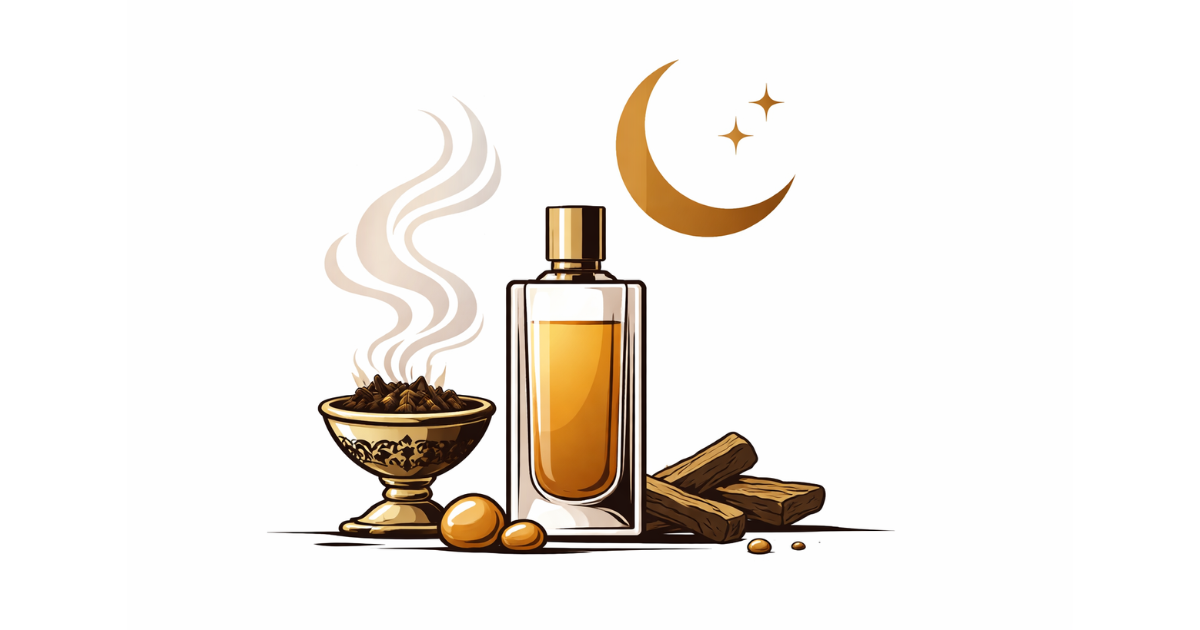
As Ramadan 1447 approaches, expected to begin around mid-February 2026 depending on moon sightings, the global fragrance industry is once again entering one of its most culturally significant and commercially important seasons. Across the Middle East, South Asia, Southeast Asia, and Muslim communities in Europe and North America, Ramadan consistently reshapes how people choose, wear, and gift fragrances. What emerges each year is not a short-term trend, but a predictable shift in consumer behaviour rooted in faith, social customs, and evening-centric lifestyles.
Fragrance holds a distinct place in Islamic culture, particularly during Ramadan. The month emphasizes spiritual discipline, cleanliness, and communal harmony, and scent plays a subtle but meaningful role in that atmosphere. From preparing for nightly prayers to welcoming guests for iftar, the use of pleasant fragrance is widely associated with hospitality, respect, and personal grooming. This cultural foundation explains why fragrance demand during Ramadan behaves differently from other retail cycles. Purchases are less about impulse and more about preparation for repeated social and religious gatherings over several weeks.
For Ramadan 2026, market signals indicate a strong return to warm, traditional scent families, combined with modern formulations designed for longer evenings and layered wear. Oud, amber, musk, woody accords, and gentle spices continue to dominate preferences, especially for night use. These profiles align naturally with the timing of Ramadan, when fasting days give way to extended evenings filled with prayer, family visits, and community events. Floral-oriental blends and soft musks are also seeing steady interest, particularly for daytime or indoor wear, reflecting a balance between tradition and personal comfort.
One of the most visible shifts shaping this season is the growing acceptance of fragrance layering as a mainstream practice. Long common in Gulf cultures, layering perfume oils, sprays, and incense is now widely adopted across regions influenced by global fragrance culture. Consumers increasingly combine attars with eau de parfum, or pair skin scents with home incense, to create fragrances that evolve throughout the evening. Ramadan’s unique rhythm, with transitions from prayer to social gatherings, makes this flexible approach especially appealing.
Home fragrance has also become an essential part of Ramadan consumption. Incense, particularly bakhoor, is widely used to refresh homes after cooking, create a calm prayer environment, and mark special moments when guests arrive. For many households, burning incense is as integral to Ramadan evenings as preparing traditional foods. As a result, retailers consistently position bakhoor and home fragrance as part of Ramadan essentials rather than optional luxury items. This has led to increased demand for incense assortments, burners, and coordinated home-scent gifting formats ahead of Eid.
From a market perspective, Ramadan 2026 is unfolding against the backdrop of a broader global fragrance expansion. Fragrance has become one of the fastest-growing categories in beauty, driven by younger consumers who collect multiple scents and treat perfume as a form of self-expression rather than a single signature. This behaviour intensifies during Ramadan, when gifting customs and social obligations encourage multiple purchases within a short time frame. The Gulf region, in particular, continues to be one of the world’s most valuable fragrance markets, with steady growth driven by premium consumption, gifting traditions, and cultural attachment to scent.
Another defining feature of Ramadan demand is the continued interest in oil-based and non-alcohol fragrance formats. While opinions on alcohol in perfumes vary across communities, many consumers prefer attars and concentrated oils during Ramadan for personal or religious reasons. These formats also align well with practical needs, offering longevity, subtle projection, and ease of layering. As a result, brands that offer both spray and oil versions of their fragrances are better positioned to meet diverse preferences during the season.
E-commerce and curated retail experiences are also shaping how fragrance is bought during Ramadan 2026. With tighter daily schedules due to fasting, consumers increasingly value convenience, clear gifting options, and ready-made sets. Discovery kits, small bottle assortments, and Eid-focused gift boxes reduce uncertainty and reflect the communal nature of the season, where fragrances are often shared within families rather than kept as purely personal items.
What ultimately defines fragrance trends for Ramadan 2026 is not novelty, but continuity with cultural values adapted to modern lifestyles. Traditional scent families remain central because they resonate emotionally and spiritually, while contemporary packaging, layering habits, and digital discovery are reshaping how consumers engage with them. For the fragrance industry, Ramadan continues to be less about launching something entirely new and more about presenting familiar aromas in formats that respect tradition, support gifting, and suit the rhythm of the holy month.
As markets prepare for Ramadan and the Eid celebrations that follow, fragrance once again stands out as both a cultural constant and a reliable commercial driver, bridging heritage and modern demand in a way few other product categories can.
Disclaimer: The information presented in this article is intended for general informational purposes only. While every effort is made to ensure accuracy, completeness, and timeliness, data such as prices, market figures, government notifications, weather updates, holiday announcements, and public advisories are subject to change and may vary based on location and official revisions. Readers are strongly encouraged to verify details from relevant official sources before making financial, investment, career, travel, or personal decisions. This publication does not provide financial, investment, legal, or professional advice and shall not be held liable for any losses, damages, or actions taken in reliance on the information provided.
Last Updated on: Tuesday, February 10, 2026 9:54 am by News Proton Team | Published by: News Proton Team on Tuesday, February 10, 2026 9:54 am | News Categories: General, Trending