
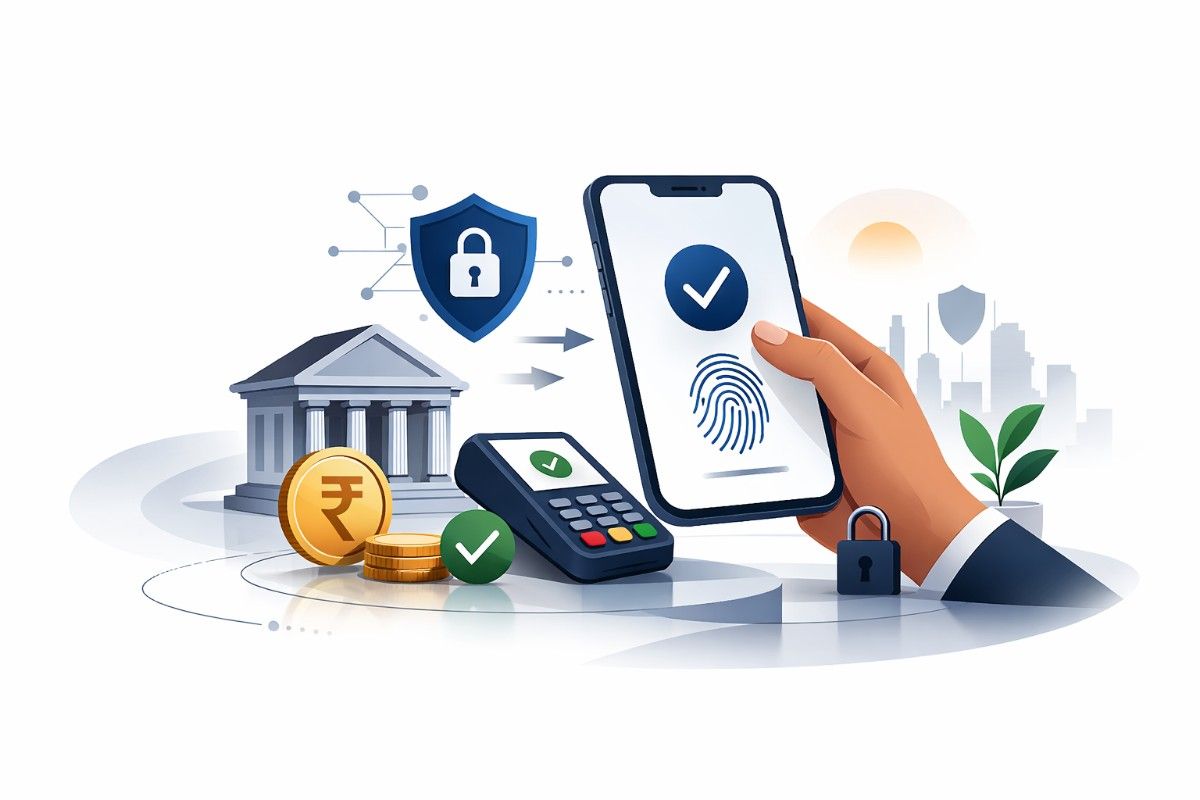
India’s digital payments ecosystem is entering a new phase in 2026 as updated rules governing the Unified Payments Interface (UPI) come into effect. The changes, guided by the National Payments Corporation of India (NPCI) under the regulatory oversight of the Reserve Bank of India, aim to strengthen transaction security, streamline operations, and refine transaction limits without disrupting the ease of use that has made UPI the backbone of India’s digital economy.
Since its launch in 2016, UPI has transformed the way Indians transfer money, pay merchants, and settle bills. Real-time bank-to-bank transfers through mobile devices have replaced cash in many everyday transactions, from small retail purchases to large institutional payments. As usage has grown exponentially across urban and rural India, regulators have focused on ensuring that the system remains resilient, secure, and scalable.
One of the most closely watched aspects of the 2026 framework is the clarification around transaction limits. The standard daily transaction cap for most users continues to remain at ₹1 lakh for person-to-person transfers and general merchant payments. This limit is designed to balance flexibility with risk control and remains consistent with the broader regulatory approach followed in recent years. However, higher limits are permitted for specific categories such as tax payments, educational fees, insurance premiums, and certain high-value institutional transactions, subject to NPCI guidelines and bank-level implementation. In such cases, the cap may extend up to ₹5 lakh per day. Banks retain the discretion to set lower limits within the prescribed ceiling based on internal risk policies and customer profiles.
Beyond value-based limits, the updated rules also introduce operational refinements aimed at enhancing system stability. With UPI processing billions of transactions every month, backend efficiency has become critical. To reduce unnecessary server load and prevent congestion during peak hours, restrictions have been placed on excessive balance enquiries and repeated account linking requests through apps. These technical adjustments are designed to improve uptime and ensure smoother transaction processing, particularly during high-volume periods such as festive seasons or major sale events.
Security enhancements form the core of the 2026 regulatory push. Digital payment fraud remains a key concern as transaction volumes grow. In response, stronger two-factor authentication measures are being emphasized across the ecosystem. While UPI has always required multi-layer verification through device binding and PIN authentication, banks and payment service providers are increasingly integrating biometric authentication methods such as fingerprint and facial recognition. These upgrades reduce the risk associated with static PIN misuse and social engineering scams. Users are being encouraged to activate biometric features where available to add an extra layer of protection.
Another important update relates to dormant or inactive UPI IDs. Accounts that have not been used for an extended period may be subject to temporary restrictions or re-verification processes before reactivation. This step is aimed at curbing fraud involving unused digital identities and strengthening overall ecosystem integrity.
For consumers, the cost structure remains largely unchanged. Standard UPI transfers between bank accounts continue to be free of charge. Merchant-related fee adjustments, where applicable, are structured in a way that does not impose direct costs on individual users for typical transactions. The objective remains to preserve UPI’s accessibility while ensuring sustainability for payment service providers and banks.
The broader significance of the 2026 updates lies in reinforcing trust in India’s digital payments architecture. UPI has become central to financial inclusion efforts, government benefit transfers, small business operations, and daily consumer spending. Maintaining a secure and reliable infrastructure is essential not only for user confidence but also for India’s position as a global leader in real-time payment systems.
As these new rules take effect, users are advised to review their bank-specific transaction limits, update their apps regularly, enable biometric authentication features, and ensure that their registered mobile numbers and devices remain secure. Awareness and responsible usage will continue to play a key role in preventing fraud.
The 2026 refinements do not signal a radical shift but rather an evolutionary step in strengthening a system that has already reshaped India’s financial landscape. By combining stable transaction limits with enhanced security safeguards, the updated framework aims to keep digital payments seamless while preparing the ecosystem for even greater scale in the years ahead.
Disclaimer: The information presented in this article is intended for general informational purposes only. While every effort is made to ensure accuracy, completeness, and timeliness, data such as prices, market figures, government notifications, weather updates, holiday announcements, and public advisories are subject to change and may vary based on location and official revisions. Readers are strongly encouraged to verify details from relevant official sources before making financial, investment, career, travel, or personal decisions. This publication does not provide financial, investment, legal, or professional advice and shall not be held liable for any losses, damages, or actions taken in reliance on the information provided.
Edited by Madhusudhan Reddy
Last Updated on: Thursday, February 26, 2026 11:54 am by News Proton Team | Published by: News Proton Team on Thursday, February 26, 2026 11:54 am | News Categories: Technology