
Temporary truce halts planned US strikes and raises hopes for de-escalation as global markets react to easing tensions
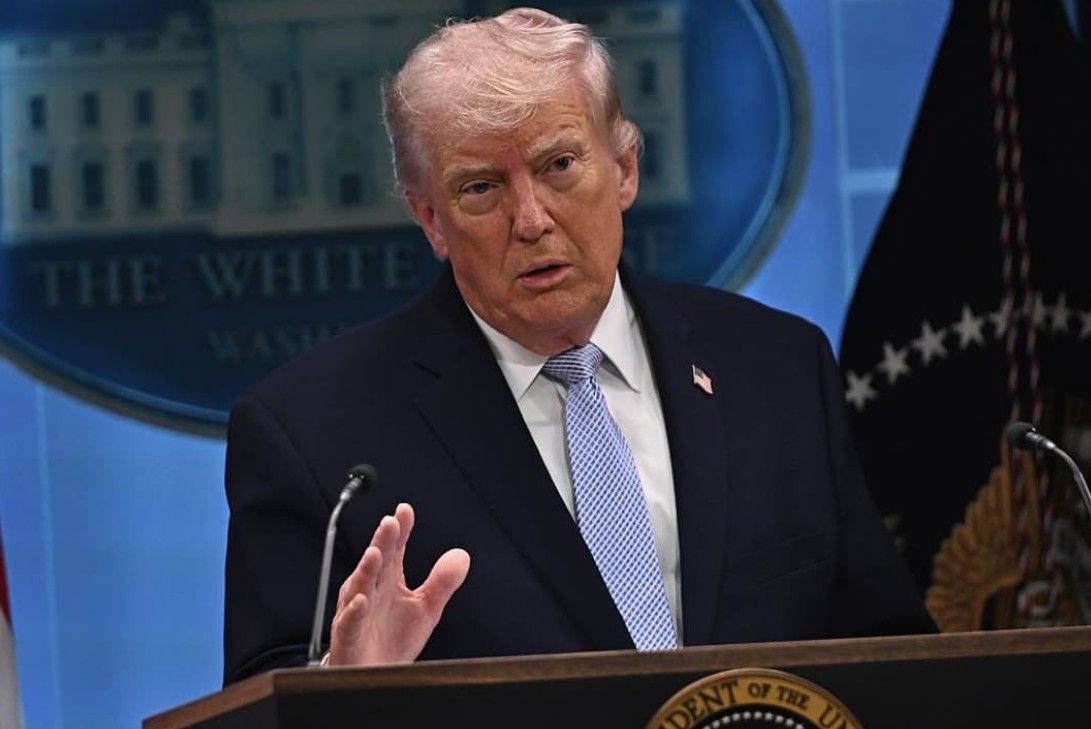
Washington, April 8 — US President Donald Trump has announced a two-week bilateral ceasefire with Iran, stepping back from imminent military action just hours before a deadline that had raised fears of a major escalation in the region.
The decision, revealed late Tuesday, pauses planned US strikes on Iranian infrastructure in exchange for Tehran’s cooperation in reopening the strategically vital Strait of Hormuz. The narrow maritime corridor is a crucial route for global oil shipments, and recent disruptions had intensified concerns over energy security and regional stability.
In his announcement, Trump described the move as a “double-sided ceasefire,” indicating that both countries had agreed to temporarily halt hostilities while negotiations continue. He suggested that a proposal put forward by Iran could serve as the foundation for further discussions, noting that several key issues had already been addressed, though final agreement is still pending.
The breakthrough follows a series of diplomatic exchanges involving Shehbaz Sharif and Pakistan’s military leadership, including Asim Munir. Islamabad has played a mediating role in recent days, urging restraint and encouraging both sides to pursue dialogue. Sharif later said that talks were moving forward steadily and called for confidence-building measures, particularly around maritime access.
Iranian officials responded by portraying the development as a strategic success. The country’s leadership indicated that Washington had shown willingness to consider elements of Tehran’s position, including issues related to sanctions and nuclear policy. Foreign Minister Abbas Araghchi stated that Iran would facilitate safe passage through the Strait of Hormuz during the ceasefire period, provided there are no attacks, adding that Iranian forces would suspend defensive operations under the agreement.
At the same time, Tehran signaled caution. First Vice President Mohammad Reza Aref said the country remains prepared for all possible outcomes, while military spokesperson Ebrahim Zolfaghari warned that any renewed aggression could prompt retaliatory measures that may disrupt regional energy supplies.
International reactions have been mixed. A senior US official confirmed that Israel has agreed to adhere to the ceasefire, pausing its own operations linked to the conflict. However, global leaders and institutions expressed concern over earlier rhetoric surrounding potential strikes. Volker Türk criticized threats against civilian infrastructure, warning they could violate international law, while Pope Leo XIV described references to targeting cultural sites as unacceptable.
The developments have had an immediate impact on global markets. Oil prices had surged sharply amid fears of prolonged disruption in the Strait of Hormuz, with benchmarks hitting record levels. Following the ceasefire announcement, markets showed signs of stabilization, although volatility persisted as investors assessed the durability of the truce.
The temporary ceasefire provides a narrow window for diplomacy in a situation that had been rapidly deteriorating. The Strait of Hormuz remains central to the crisis, given its role in transporting a significant portion of the world’s oil. Any sustained disruption there could have far-reaching economic consequences.
Negotiations are expected to continue over the coming days, with both sides working to finalize unresolved issues within the proposed framework. The two-week timeline is likely to be a critical test of compliance and intent. While the pause in hostilities has reduced immediate risks, the situation remains fragile, and the path to a longer-term resolution is uncertain.
Input & Images : Hindusthan Samachar
Edited by Madhusudhan Reddy
Last Updated on: Wednesday, April 8, 2026 10:30 am by Madhusudhan Reddy | Published by: Madhusudhan Reddy on Wednesday, April 8, 2026 10:30 am | News Categories: Trending, Business