
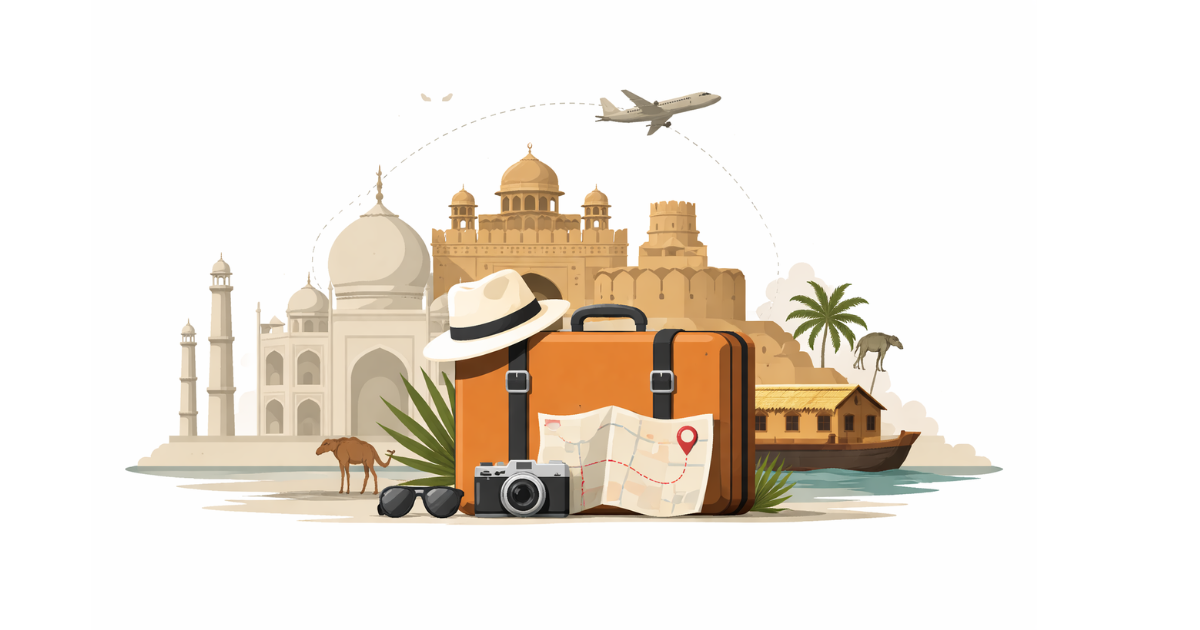
February has long been regarded as one of the most rewarding months for travel across India. With winter gradually easing in the north, coastal humidity yet to peak in the south, and a calendar dotted with cultural festivals, the month offers a balanced mix of pleasant weather, vibrant events and manageable travel conditions. For domestic and international travellers alike, February represents a transitional window—neither as crowded as the year-end holiday season nor as climatically extreme as the approaching summer months.
In North India, cities such as Agra and Jaipur continue to attract strong visitor interest in February. The daytime temperatures are typically mild, making long hours of sightseeing comfortable. Agra’s Taj Mahotsav, traditionally held in February, adds a cultural layer to the city’s appeal, drawing artisans and performers from across the country. The combination of heritage tourism and festival programming allows travellers to experience both architectural landmarks and regional arts in a single visit. Jaipur and the broader Rajasthan circuit benefit from similar weather advantages. Fort visits, desert excursions and local market exploration are far more enjoyable before the summer heat intensifies. Hotels in the region often witness strong occupancy during weekends, making mid-week travel a more budget-conscious choice.
Further west, Gujarat’s Rann of Kutch remains a significant February draw. The Rann Utsav, which typically runs through the winter months, showcases the white salt desert landscape along with cultural performances, handicrafts and regional cuisine. February marks the concluding stretch of the festival season, making it one of the last opportunities to experience the desert under cool evening skies before temperatures begin to rise. Travellers planning this trip are advised to prepare for warm afternoons and cooler nights, a characteristic feature of desert climates during late winter.
Goa continues to hold its place as a February favourite, particularly around the time of the annual Carnival celebrations. The state’s dry season ensures largely sunny days, ideal for beach outings, water sports and outdoor events. Carnival parades, music and street festivities typically occur in February, attracting visitors seeking both leisure and high-energy celebrations. However, accommodation rates can spike around festival dates and weekends. Budget travellers often find better value by staying slightly away from the busiest beach belts or choosing weekday arrivals.
In South India, Kerala offers a more relaxed February escape. Cities such as Kochi experience warm but generally comfortable conditions, while the backwaters and hill stations provide a serene alternative to crowded urban breaks. The month is well suited for cultural walks in heritage districts, culinary exploration and short nature retreats. With the monsoon months still distant, February provides relatively stable travel conditions across much of the state.
The Andaman and Nicobar Islands also attract significant February traffic. Sea conditions are typically favourable for water-based activities such as snorkelling and scuba diving. While occasional showers may occur in tropical regions, February largely falls within the islands’ dry season. Travellers are encouraged to maintain flexible itineraries, particularly for inter-island ferry schedules, but overall weather patterns remain conducive to beach tourism.
In contrast, destinations in the Himalayan belt such as Srinagar and nearby hill regions retain their winter charm. February often sees cold nights and cool days, with snowfall possible in higher altitudes. For travellers seeking snow experiences without the intense holiday-season rush of December, this month can offer a quieter alternative. It is, however, essential to monitor weather advisories and plan for potential travel delays in mountainous areas.
One of the defining features of February travel in India is its festival calendar. Beyond regional events such as Carnival and winter cultural fairs, several states host local art, music and food festivals that boost tourism footfall. These events not only enrich the visitor experience but also support local artisans and small businesses. As a result, February travel often carries a strong experiential element, combining sightseeing with cultural immersion.
From a budget perspective, February can be a mixed picture. While it does not typically command the extreme peak-season premiums seen in late December, it remains part of the high winter travel window in many northern and western destinations. Flight fares and hotel prices tend to rise around long weekends and festival periods. Travellers seeking cost efficiency may benefit from booking well in advance, travelling mid-week and selecting accommodations outside primary tourist clusters. Flexible planning remains one of the most effective cost-control strategies, particularly in destinations where weather variations may influence daily activities.
Overall, February stands out as a strategically advantageous month for domestic tourism in India. The country’s geographic diversity ensures that travellers can choose between snow-capped landscapes, desert festivals, coastal celebrations or heritage-rich city breaks—all within a single month. As temperatures gradually shift toward summer, February remains a final opportunity to experience India’s winter comfort combined with vibrant seasonal events. For those planning a pre-summer getaway, it continues to offer one of the most balanced and culturally engaging travel windows of the year.
Also read : https://newsproton.com/global-oil-prices-edge-higher-what-international-market-movements-mean-for-india/
Add newsproton.com as preferred source on google – Click here
Disclaimer: The information presented in this article is intended for general informational purposes only. While every effort is made to ensure accuracy, completeness, and timeliness, data such as prices, market figures, government notifications, weather updates, holiday announcements, and public advisories are subject to change and may vary based on location and official revisions. Readers are strongly encouraged to verify details from relevant official sources before making financial, investment, career, travel, or personal decisions. This publication does not provide financial, investment, legal, or professional advice and shall not be held liable for any losses, damages, or actions taken in reliance on the information provided.
Last Updated on: Wednesday, February 18, 2026 11:24 am by News Proton Team | Published by: News Proton Team on Wednesday, February 18, 2026 11:24 am | News Categories: Travel