
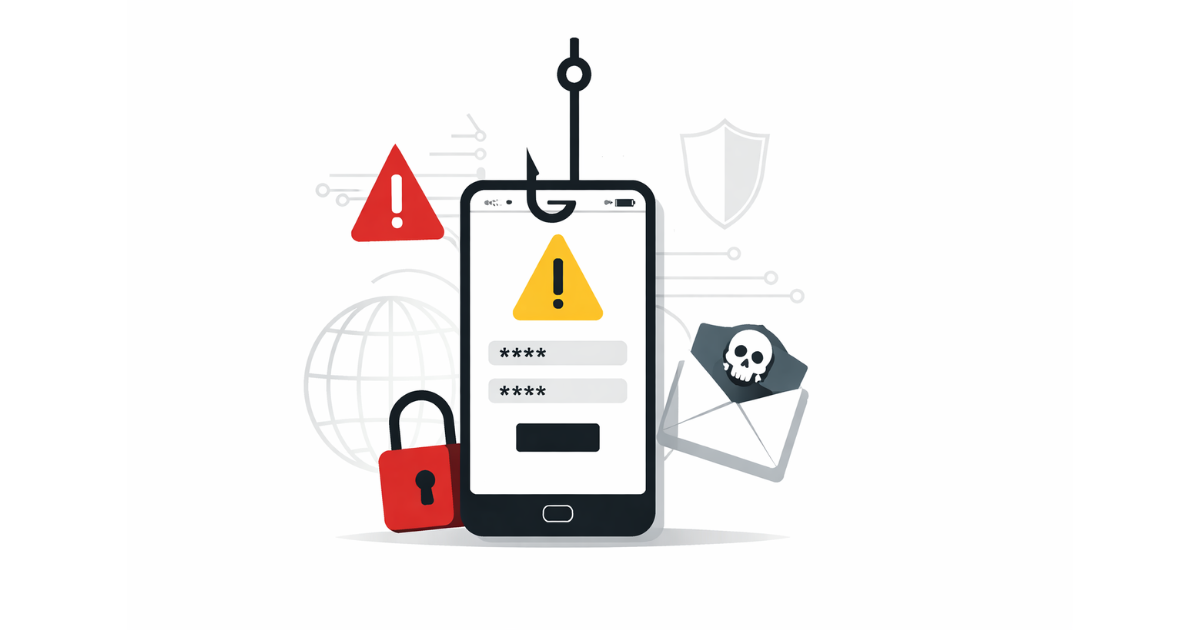
India’s rapidly expanding digital economy has brought unprecedented convenience to millions of users, but it has also opened new doors for cybercriminals. In 2026, cybersecurity experts and government agencies are warning of a sharp rise in phishing scams targeting Indian citizens across email, SMS, messaging apps and voice calls. As online banking, Unified Payments Interface (UPI) transactions and digital services become deeply embedded in everyday life, fraudsters are deploying increasingly sophisticated tactics to exploit unsuspecting users.
Phishing, a form of cybercrime in which attackers impersonate trusted institutions to steal sensitive information, remains one of the most common digital threats worldwide. In India, the scale of the challenge reflects the country’s massive internet user base and growing reliance on digital payments. Official data released in recent years by the Indian Computer Emergency Response Team (CERT-In) has shown a steady increase in reported cybersecurity incidents. Financial fraud linked to online deception continues to be a major component of complaints registered on the National Cyber Crime Reporting Portal, highlighting the persistence of phishing as a primary attack method.
What distinguishes the current wave of phishing attempts in 2026 is the growing use of advanced technology. Cybersecurity analysts note that fraudsters are leveraging artificial intelligence tools to craft highly convincing messages that closely mimic official communication from banks, government departments, courier services and well-known brands. These messages often carry urgent warnings about account suspension, suspicious transactions or pending deliveries, prompting victims to click malicious links or share confidential details.
Voice-based phishing, or “vishing,” has also seen an uptick. Scammers posing as bank representatives or law enforcement officials attempt to pressure victims into revealing One-Time Passwords (OTPs), debit card numbers or UPI credentials. In some reported cases across India, fraudsters have impersonated relatives in distress, urging immediate financial transfers. Authorities repeatedly emphasize that legitimate institutions never ask for OTPs or full banking details over phone calls.
The rapid adoption of UPI has made India a global leader in digital payments, but it has also created new avenues for fraud. Security experts caution users about fraudulent QR codes and fake payment requests designed to trick individuals into authorizing transfers. Many phishing attacks now combine social engineering with technical manipulation, such as directing victims to counterfeit websites that closely resemble official portals.
Government agencies have intensified public awareness campaigns in response. CERT-In regularly issues advisories urging citizens to remain cautious of unsolicited communication. The Ministry of Home Affairs’ Indian Cyber Crime Coordination Centre has strengthened coordination with banks and payment service providers to curb fraud. The national helpline number 1930 and the cybercrime reporting portal remain the primary channels for reporting digital financial fraud, with authorities advising victims to report incidents immediately to improve the chances of blocking transactions.
Cybersecurity professionals stress that technology alone cannot eliminate phishing risks. Human judgment remains a crucial line of defense. Attackers rely on urgency, fear and trust to override caution. Messages claiming immediate consequences, such as frozen accounts or legal action, are designed to provoke panic. Experts advise users to pause and verify independently before responding to any unexpected request for personal or financial information.
Basic digital hygiene continues to be one of the most effective safeguards. Users are encouraged to access banking services only through official apps or manually typed website addresses rather than links shared in messages. Enabling two-factor authentication, keeping devices updated with the latest security patches and installing trusted security software can reduce vulnerability. Equally important is avoiding the sharing of OTPs, UPI PINs or confidential information with anyone, regardless of how legitimate the request may appear.
India’s digital transformation has been a cornerstone of its economic growth, expanding financial inclusion and access to services. However, the rise in phishing scams underscores the need for sustained vigilance. As cybercriminals refine their techniques, awareness and prompt reporting remain essential tools in protecting individual users and maintaining trust in the country’s digital ecosystem.
In 2026, the message from cybersecurity authorities is clear: convenience must be matched with caution. Staying informed, verifying before acting and reporting suspicious activity promptly can significantly reduce the risk of falling victim to phishing scams. Digital security is no longer solely a technical issue; it is a shared responsibility that depends on informed and alert citizens across the country.
Add newsproton.com as preferred source on google – Click here
Disclaimer: The information presented in this article is intended for general informational purposes only. While every effort is made to ensure accuracy, completeness, and timeliness, data such as prices, market figures, government notifications, weather updates, holiday announcements, and public advisories are subject to change and may vary based on location and official revisions. Readers are strongly encouraged to verify details from relevant official sources before making financial, investment, career, travel, or personal decisions. This publication does not provide financial, investment, legal, or professional advice and shall not be held liable for any losses, damages, or actions taken in reliance on the information provided.
Last Updated on: Tuesday, February 17, 2026 10:55 am by News Proton Team | Published by: News Proton Team on Tuesday, February 17, 2026 10:55 am | News Categories: Technology