
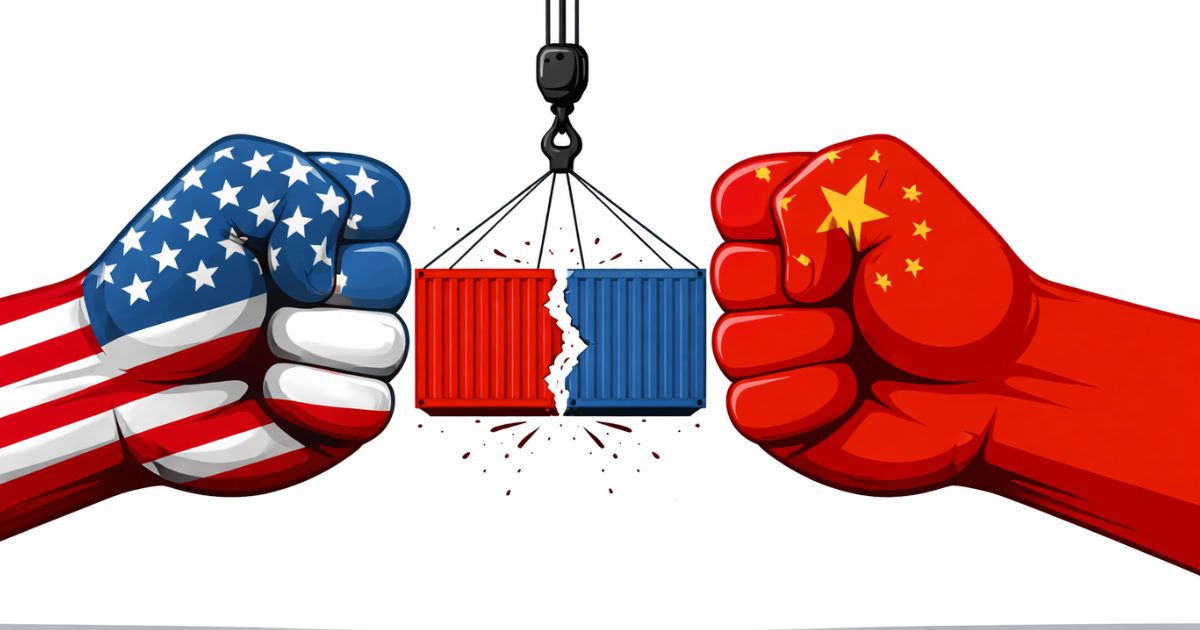
The resumption of trade talks between the governments of the United States and China marks a significant development in global economic diplomacy at a time of persistent supply-chain realignment and rising protectionist pressures. Officials from both sides have returned to the negotiating table amid ongoing disputes over tariffs, export controls, market access and technology restrictions, with global markets closely watching for signs of de-escalation.
The renewed engagement follows several years of tariff measures and counter-measures that reshaped global trade flows. Since the initial trade conflict that began in 2018, both economies have maintained tariffs on hundreds of billions of dollars’ worth of goods. While limited agreements have temporarily eased tensions at various stages, core disagreements over industrial policy, intellectual property protection and technology transfers have remained unresolved. Recent discussions have reportedly focused on stabilising trade relations, reducing the risk of additional tariff hikes and creating a more predictable framework for business.
The broader global context has changed substantially since the first phase of the trade war. Companies across Asia, Europe and North America have diversified their sourcing strategies to reduce dependence on a single manufacturing hub. This so-called “China+1” approach has benefited several emerging economies, including India, Vietnam and Mexico. For India in particular, the shifting trade landscape has opened new export opportunities while also exposing vulnerabilities linked to global demand fluctuations.
For India’s export sector, the outcome of U.S.–China talks carries both risks and potential gains. The United States remains India’s largest export destination, accounting for a significant share of outbound shipments in sectors such as pharmaceuticals, engineering goods, electronics, textiles and information technology services. China, meanwhile, is one of India’s largest trading partners, primarily as a source of intermediate goods and industrial inputs. Any recalibration of tariffs or supply-chain policies between Washington and Beijing inevitably affects pricing dynamics, competitiveness and global buyer behaviour.
If the talks lead to tariff reductions or a stabilisation of trade barriers, global demand conditions may improve. Lower uncertainty typically encourages investment and consumer spending, which in turn supports export-oriented economies. Indian exporters could benefit indirectly from improved global growth prospects and more predictable shipping and logistics costs. Engineering goods, chemicals and electronics manufacturers in India are particularly sensitive to global capital expenditure cycles that respond to trade clarity.
At the same time, a comprehensive easing of tensions between the United States and China could intensify competition for Indian exporters in certain markets. During earlier phases of tariff escalation, some American buyers shifted orders away from Chinese suppliers toward alternative manufacturing hubs. Indian firms in textiles, light engineering and select electronics segments gained incremental orders under these circumstances. If U.S.–China trade normalises further, Chinese suppliers may regain some price competitiveness, putting pressure on margins for Indian companies.
India’s textile and apparel exporters illustrate this dynamic. The sector has long depended on demand from North America and Europe. Trade tensions between Washington and Beijing had initially created space for alternative sourcing, but competitiveness depends on scale, cost efficiencies and trade agreements. The government has introduced production-linked incentive schemes and negotiated trade agreements with partners such as the UAE and Australia to diversify markets and strengthen resilience. Nonetheless, sustained competitiveness requires improvements in logistics infrastructure, compliance standards and labour productivity.
The pharmaceutical industry, another cornerstone of India’s export economy, presents a different scenario. India is one of the world’s largest suppliers of generic medicines and vaccines. While tariffs on pharmaceutical products have historically been limited compared to other goods, broader geopolitical tensions can affect regulatory approvals, supply chains for active pharmaceutical ingredients and currency stability. Stability in global trade relations generally supports smoother regulatory coordination and uninterrupted medical supply chains.
Electronics and engineering goods are also closely tied to U.S.–China trade developments. India has sought to expand its electronics manufacturing base, particularly in mobile phones and components, through targeted incentives. Multinational firms exploring supply-chain diversification have increased investments in Indian manufacturing. If trade talks reduce uncertainty but do not fully reverse strategic decoupling in technology sectors, India may continue to benefit from diversification trends. However, if tensions re-escalate, disruptions in semiconductor supply chains and higher input costs could affect Indian producers.
Beyond sector-specific effects, currency movements and capital flows represent another channel of impact. Trade negotiations between the United States and China influence global investor sentiment, commodity prices and the strength of the U.S. dollar. A stable trade environment tends to support emerging-market currencies and capital inflows, benefiting export-oriented economies like India. Conversely, renewed tensions often trigger volatility in global financial markets, which can complicate export planning and pricing strategies.
India’s policymakers have consistently emphasised export diversification as a long-term objective. Government data in recent years has shown efforts to expand trade relationships with the Middle East, Africa and Southeast Asia, alongside traditional Western markets. Free trade agreements under negotiation with the United Kingdom and the European Union aim to reduce over-reliance on a single export destination. In this context, the U.S.–China dialogue underscores the importance of strategic flexibility rather than dependence on temporary trade shifts.
The resumption of talks also highlights India’s delicate diplomatic balancing act. New Delhi maintains strong strategic ties with Washington while managing a complex relationship with Beijing. Trade policy decisions in either capital can indirectly influence India’s manufacturing competitiveness and external trade balance. As the world’s major powers navigate economic rivalry alongside selective cooperation, middle-income economies such as India must adapt quickly to policy changes beyond their direct control.
Ultimately, the renewed negotiations between the United States and China signal an attempt to manage competition through dialogue rather than escalation. For India’s export sector, the implications are nuanced rather than binary. Greater stability in global trade would support growth and investment, yet intensified competition could test cost structures and productivity gains. The coming months will reveal whether the talks deliver structural progress or merely temporary relief.
For Indian exporters, the strategic imperative remains clear: diversify markets, enhance value addition, improve supply-chain efficiency and remain agile in response to shifting geopolitical currents. In an interconnected global economy, developments between Washington and Beijing will continue to shape opportunities and constraints for businesses far beyond their borders.
Also Read : https://newsproton.com/high-protein-indian-diet-trends-in-2026-what-nutritionists-recommend/
Add newsproton.com as preferred source on google – Click here
Disclaimer: The information presented in this article is intended for general informational purposes only. While every effort is made to ensure accuracy, completeness, and timeliness, data such as prices, market figures, government notifications, weather updates, holiday announcements, and public advisories are subject to change and may vary based on location and official revisions. Readers are strongly encouraged to verify details from relevant official sources before making financial, investment, career, travel, or personal decisions. This publication does not provide financial, investment, legal, or professional advice and shall not be held liable for any losses, damages, or actions taken in reliance on the information provided.
Last Updated on: Tuesday, February 17, 2026 11:14 am by News Proton Team | Published by: News Proton Team on Tuesday, February 17, 2026 11:14 am | News Categories: Business