
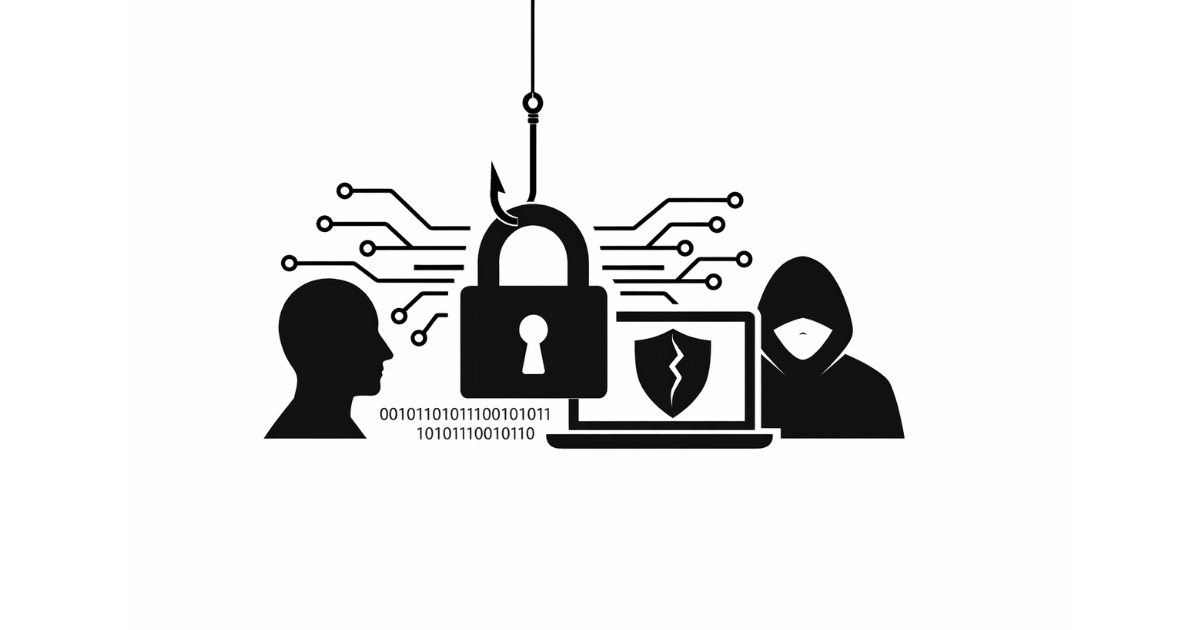
As India continues its rapid digital transformation, a parallel surge in cyber threats is prompting urgent warnings from experts, government agencies, and industry leaders alike. With more people accessing government services, banking, education, and commerce online than ever before, cybercriminals are exploiting vulnerabilities — making cybersecurity a top priority for citizens, businesses, and policymakers.
Rising Tide of Cyber Threats Across India
The digital ecosystem in India is witnessing a sharp rise in cyberattacks, ranging from data breaches and phishing scams to sophisticated ransomware campaigns. Government statistics reveal that the total number of reported cybersecurity incidents has been increasing year after year, driven by an expanding online population and growing reliance on digital services.
Cybersecurity firms have observed an unprecedented volume of malicious activity: the 2025 India Cyber Threat Report highlights that millions of security incidents were detected across Indian networks, underscoring how pervasive the threat landscape has become.
Moreover, ransomware attacks — where attackers encrypt data and demand payment — are on the rise, with India and the wider Asia-Pacific region increasingly targeted by criminal groups.
Government and Institutional Responses
India’s cybersecurity architecture has responded with multiple layers of defence and awareness efforts:
- The Indian Computer Emergency Response Team (CERT-In), under the Ministry of Electronics and Information Technology, serves as the nodal agency handling cybersecurity incidents, issuing advisories and coordinating responses.
- The National Cybercrime Reporting Portal, accessible via cybercrime.gov.in, enables citizens to report cybercrime, supported by the 24/7 toll-free helpline number 1930 for cybercrime reporting — especially for financial fraud.
- States like Uttar Pradesh are investing heavily in cybersecurity infrastructure, including specialised Cyber Security Operations Centres to protect critical sectors such as banking, power, healthcare, and communications.
- Recent “Safer Internet Day” events across India have focused on grassroots awareness and training to build cyber safety skills among students and government workers alike.
Despite these efforts, periodic audits show gaps in secure practices: for example, key government portals were found lacking basic encryption, revealing persistent weaknesses in public digital infrastructure.
Key Threat Vectors Indian Users Face
Cybersecurity experts warn that the threat landscape is evolving in complexity:
- Phishing and Social Engineering: Fake emails, SMS messages, and social-media traps aim to steal passwords and financial credentials.
- Ransomware & Malware: Automated malware and ransomware campaigns increasingly exploit small businesses and unprotected devices.
- AI-Powered Attacks: The integration of artificial intelligence is enabling attackers to create highly convincing scams and evade traditional detection.
- Third-Party and Supply Chain Risks: A SecurityScorecard analysis found that a large portion of Indian vendors suffered third-party breaches, exposing broader ecosystems to attacks.
The result is a digital environment where average users, not just large enterprises, are at risk — from banking fraud to identity theft.
What Indians Can Do to Protect Their Data
While the challenge is daunting, experts agree there are practical, verified steps every individual can take to enhance personal cybersecurity:
- Use Strong, Unique Passwords: Create complex and unique passwords for every online account, replacing easy-to-guess terms with a mix of letters, numbers, and symbols. Consider using reputable password managers to securely store passwords.
- Enable Multi-Factor Authentication (MFA): Activate MFA on all financial and email accounts to add an extra layer of protection beyond passwords.
- Keep Devices Updated: Regularly update operating systems, browsers, and installed apps to patch known security vulnerabilities.
- Be Wary of Suspicious Links and Messages: Avoid clicking unverified links received via email, messaging apps, or social media — these are common phishing tactics designed to capture credentials or install malware.
- Use Trusted Security Software: Install and maintain updated antivirus and anti-malware tools that can detect and block known threats.
- Educate Family Members: Teach children and older adults about safe online practices — including recognising scams and not sharing sensitive information.
- Report Cybercrime Quickly: Use the National Cybercrime Reporting Portal or call 1930 immediately after noticing suspicious or fraudulent activity to initiate official action.
The Road Ahead: Policy and Awareness
Policy changes like the Digital Personal Data Protection Act, 2023 — with updated rules in 2025 — establish a framework for how personal data should be collected, processed, and secured in India. This legislation strengthens individual rights over data and imposes responsibilities on service providers to safeguard user information.
Industry leaders also emphasise the need for ongoing skill development and cybersecurity awareness. Surveys show that Indian businesses increasingly view cybersecurity breaches as a top operational risk, reflecting both the threat magnitude and the need for stronger internal controls.
Conclusion: Vigilance In an Interconnected Age
India’s digital journey has unlocked enormous opportunities — billions of users now conduct essential aspects of life online. But with this connectivity comes responsibility: cybersecurity is no longer a niche technical issue but a core element of everyday safety for millions.
Experts say the fight against cybercrime requires a multi-pronged approach — combining government regulation, institutional vigilance, corporate investment, and individual awareness. In a world where cyber threats evolve rapidly, proactive protection and a culture of digital safety are the best defenses Indians can arm themselves with.
If you’d like, I can also provide a shorter, newspaper-style summary version of this article or tips for different audiences like students and seniors.
as a newarticle without links and points
Cybersecurity Alert: How Indians Can Protect Data Amid Rising Online Threats
New Delhi, February 16, 2026 — As India deepens its digital footprint across banking, governance, healthcare, education and commerce, cybersecurity experts are warning of a parallel surge in online threats targeting individuals and institutions alike. From phishing scams and financial fraud to ransomware attacks and data breaches, the risks facing internet users have grown more sophisticated and more widespread in recent years.
India is now one of the world’s largest digital markets, with millions of citizens relying daily on online payment systems, government portals and mobile applications. This rapid adoption has brought convenience and economic opportunity, but it has also expanded the attack surface for cybercriminals. Authorities have repeatedly cautioned that cyber fraudsters are using increasingly advanced techniques, including impersonation, fake customer care numbers, malicious links and manipulated QR codes, to deceive unsuspecting users.
The Indian Computer Emergency Response Team, operating under the Ministry of Electronics and Information Technology, continues to issue periodic advisories on emerging vulnerabilities, urging organisations and citizens to remain vigilant. Officials note that phishing remains one of the most common threats, often disguised as legitimate communication from banks, courier services or government departments. In many cases, attackers attempt to trick users into revealing passwords, one-time passwords (OTPs) or card details.
Ransomware has also emerged as a significant concern. In such attacks, malicious software locks access to data or systems until a payment is made. While large corporations and public institutions have been prominent targets globally, cybersecurity professionals warn that small businesses and even individual users are not immune. The growing integration of artificial intelligence into cybercrime tactics has further complicated detection efforts, as attackers can now generate highly convincing emails and messages that mimic authentic communication.
Financial fraud linked to digital payments continues to account for a large share of reported cyber incidents. Authorities advise citizens to treat unsolicited calls or messages requesting confidential information with suspicion. Banks and government agencies consistently reiterate that they do not ask customers to share OTPs, PINs or passwords over phone calls or messaging platforms. Immediate reporting is critical in cases of suspected fraud, as swift action can sometimes prevent further financial loss.
To streamline complaints, the National Cybercrime Reporting Portal provides an online platform for citizens to report cyber offences. The government’s dedicated helpline number 1930 operates around the clock to assist victims of financial cyber fraud. Law enforcement agencies emphasise that timely reporting increases the chances of tracing transactions and freezing fraudulent transfers.
Beyond institutional safeguards, experts underline that personal digital hygiene plays a crucial role in reducing risk. Strong and unique passwords for different accounts remain a fundamental defence. Reusing passwords across multiple platforms significantly increases vulnerability if one service is compromised. Enabling multi-factor authentication adds an additional verification layer, making unauthorised access more difficult even if login credentials are exposed.
Regular software updates are equally important. Many cyberattacks exploit known vulnerabilities in outdated operating systems or applications. Installing official updates promptly ensures that security patches are applied. Users are also advised to download apps only from trusted platforms and to verify the authenticity of websites before entering sensitive information.
Public awareness campaigns have increasingly focused on educating students, senior citizens and first-time internet users about common online traps. Experts say that cyber literacy must evolve alongside digital adoption. Teaching individuals how to identify suspicious links, fake social media accounts and misleading advertisements can substantially reduce the success rate of scams.
India’s regulatory landscape has also evolved in response to rising concerns about data misuse. The Digital Personal Data Protection Act, 2023, establishes a legal framework for the collection, processing and storage of personal data, placing obligations on entities that handle user information. While implementation and enforcement will continue to develop, policymakers view stronger data governance as a key component of long-term cybersecurity resilience.
Industry leaders warn that cybersecurity should no longer be viewed solely as a technical issue confined to IT departments. Instead, it is increasingly recognised as a core aspect of national security and economic stability. As digital services expand into rural and semi-urban regions, safeguarding trust in online systems becomes essential for sustaining growth.
Experts agree that combating cybercrime requires coordinated action between government agencies, private companies and individual users. While law enforcement and regulatory frameworks form the backbone of national defence, everyday vigilance remains the first line of protection. In an interconnected era where personal data fuels economic activity, informed digital behaviour may prove to be the most effective shield against rising online threats.
Add newsproton.com as preferred source on google – Click here
Disclaimer: The information presented in this article is intended for general informational purposes only. While every effort is made to ensure accuracy, completeness, and timeliness, data such as prices, market figures, government notifications, weather updates, holiday announcements, and public advisories are subject to change and may vary based on location and official revisions. Readers are strongly encouraged to verify details from relevant official sources before making financial, investment, career, travel, or personal decisions. This publication does not provide financial, investment, legal, or professional advice and shall not be held liable for any losses, damages, or actions taken in reliance on the information provided.
Last Updated on: Monday, February 16, 2026 1:42 pm by News Proton Team | Published by: News Proton Team on Monday, February 16, 2026 1:42 pm | News Categories: Technology