


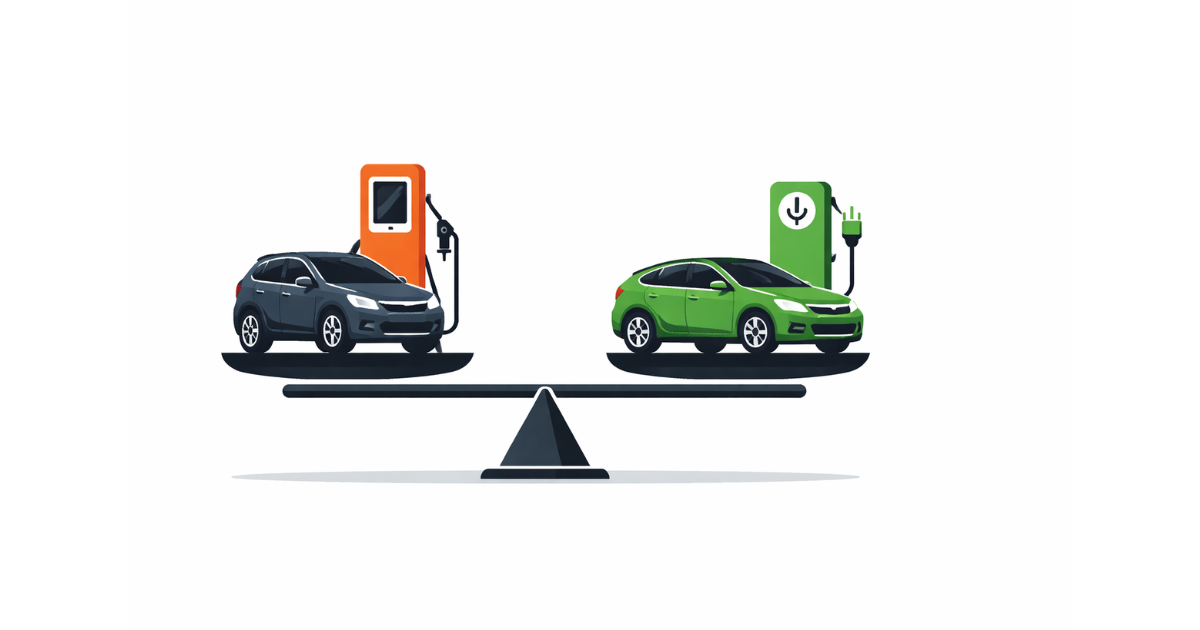


In 2026, the choice between petrol and hybrid cars in India is no longer driven purely by technology trends or environmental positioning. It has become a practical financial calculation for buyers weighing upfront costs against long-term fuel savings. With petrol prices varying significantly across states and traffic congestion shaping real-world mileage, the debate has sharpened into a clear question: which option makes more economic sense over the course of ownership?
Fuel prices remain the starting point of any meaningful comparison. Retail petrol rates differ across major cities due to state taxes and local levies, with metro prices typically ranging from the mid-₹90s per litre to well above ₹100 per litre depending on the location. This variation directly affects the running cost of a car. The higher the local petrol price, the stronger the case for a fuel-efficient vehicle.
Conventional petrol cars continue to dominate the entry and mid-level segments because of their lower upfront cost and mechanical simplicity. Modern petrol engines, particularly in compact SUVs and sedans, generally deliver certified fuel efficiency figures in the range of 18 to 21 kilometres per litre, depending on engine size and transmission. For many buyers, especially those driving moderate annual distances, the relatively affordable purchase price remains a decisive factor.
Hybrid vehicles, particularly strong hybrids available in India today, operate differently. They combine a petrol engine with an electric motor and a battery pack capable of powering the vehicle independently at low speeds. This system allows the car to switch seamlessly between electric, petrol, or combined modes depending on driving conditions. Certified mileage figures for strong hybrids in India are significantly higher than their petrol-only counterparts, often exceeding 27 kilometres per litre under standard test conditions.
When these mileage figures are translated into running cost per kilometre, the gap becomes clearer. For example, at a petrol price of around ₹95 per litre, a petrol car delivering 20 kilometres per litre would cost roughly ₹4.75 per kilometre in fuel. A hybrid delivering close to 28 kilometres per litre would bring that cost down to roughly ₹3.40 per kilometre. The difference of more than ₹1 per kilometre may appear modest at first glance, but over tens of thousands of kilometres, the savings accumulate.
However, the hybrid advantage must be measured against its higher initial purchase price. Strong hybrid variants in India typically cost significantly more than comparable petrol trims because of the additional battery, motor, and power electronics. Depending on the model and segment, the price gap can range from a few lakh rupees upward. The break-even point therefore depends heavily on how much the buyer drives each year.
For a driver covering 10,000 kilometres annually, fuel savings of around ₹1 per kilometre would translate to savings of approximately ₹10,000 per year. At that pace, recovering a premium of ₹2–3 lakh could take well over a decade. In contrast, someone driving 20,000 kilometres per year could potentially halve that recovery time. In urban settings with heavy stop-and-go traffic, where hybrids maximise electric operation and regenerative braking, real-world fuel savings can be more pronounced, shortening the payback window further.
Driving conditions also influence the equation. Hybrids typically deliver their strongest efficiency gains in city traffic because they can operate on electric power at low speeds and recapture braking energy. On highways, where speeds are steady and braking is minimal, the advantage narrows. Modern petrol engines can be quite efficient in sustained cruising conditions, which reduces the relative benefit of the hybrid system during long-distance travel.
Beyond fuel consumption, warranty and maintenance considerations play an important role in 2026 buying decisions. Leading manufacturers of strong hybrids in India offer extended battery warranties, commonly up to eight years or 1.6 lakh kilometres, which has helped ease concerns about long-term reliability. While hybrid systems add complexity, regenerative braking can reduce wear on brake components, and the petrol engine may operate under less stress in urban conditions. That said, replacement of hybrid-specific components outside warranty can be expensive, making warranty coverage and service network strength important factors.
Resale value trends are evolving as well. As fuel efficiency becomes a larger concern for urban buyers, hybrids are gaining stronger acceptance in metropolitan markets. However, in smaller towns and regions where annual running is lower or where buyers prioritise simpler mechanical systems, petrol vehicles still enjoy broad appeal. Market perception, service accessibility, and long-term reliability will continue to shape resale outcomes.
In purely financial terms, the petrol-versus-hybrid decision in 2026 depends on three variables: the upfront price difference, annual kilometres driven, and local fuel prices. For buyers with lower annual usage or tight budgets, a petrol vehicle remains a rational and cost-effective choice. For high-mileage urban drivers facing elevated petrol prices, a strong hybrid can offer meaningful fuel savings over time and improved efficiency in congested traffic.
Ultimately, there is no universal winner. The numbers favour hybrids in city-heavy, high-usage scenarios, while petrol cars remain practical for lower running patterns and budget-conscious buyers. As fuel costs, taxation policies, and vehicle technology continue to evolve, Indian consumers in 2026 are approaching the petrol versus hybrid debate not as a trend-driven decision, but as a careful calculation grounded in mileage, money and mobility needs.
Add newsproton.com as preferred source on google – Click here
Disclaimer: The information presented in this article is intended for general informational purposes only. While every effort is made to ensure accuracy, completeness, and timeliness, data such as prices, market figures, government notifications, weather updates, holiday announcements, and public advisories are subject to change and may vary based on location and official revisions. Readers are strongly encouraged to verify details from relevant official sources before making financial, investment, career, travel, or personal decisions. This publication does not provide financial, investment, legal, or professional advice and shall not be held liable for any losses, damages, or actions taken in reliance on the information provided.
Last Updated on: Friday, February 20, 2026 1:30 pm by News Proton Team | Published by: News Proton Team on Friday, February 20, 2026 1:29 pm | News Categories: Automobile