
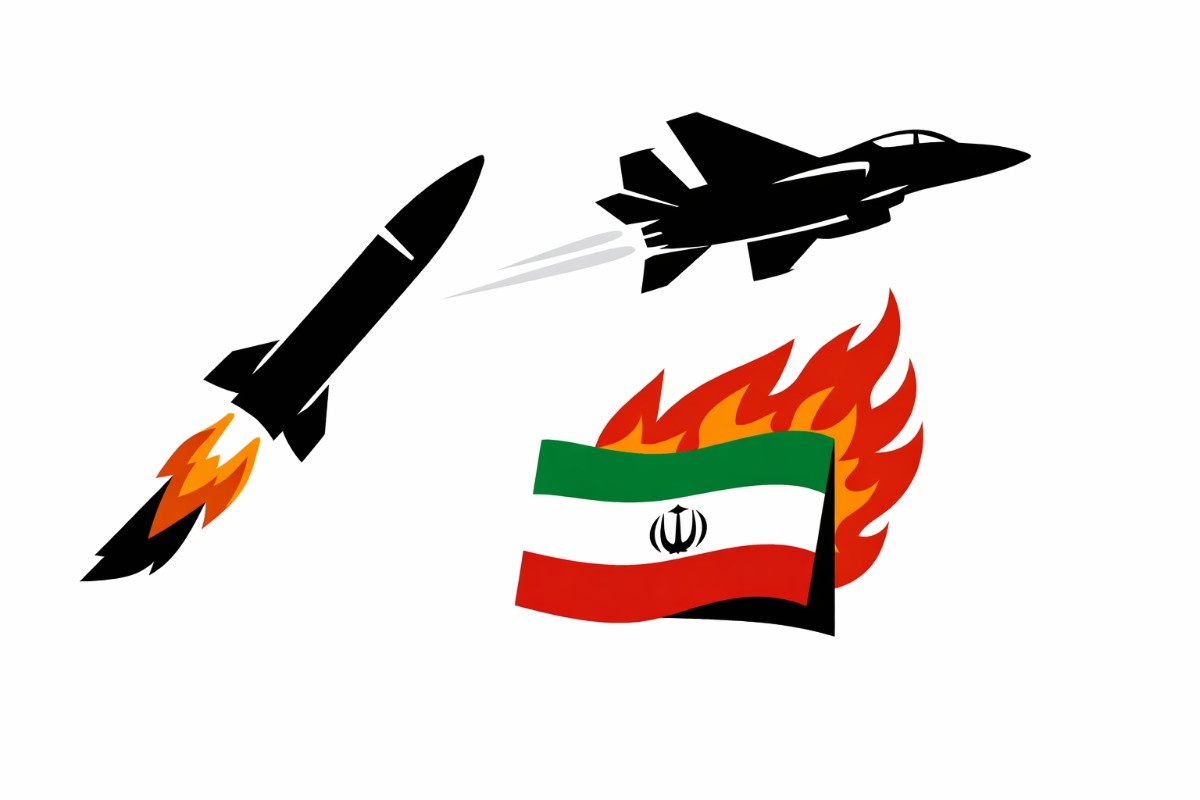
Tensions in the Middle East have escalated sharply following coordinated airstrikes by the United States and Israel on targets inside Iran, marking one of the most serious direct confrontations between the long-time adversaries in recent years. The strikes, described by Washington and Jerusalem as necessary security measures, have triggered retaliatory threats from Tehran and sparked urgent diplomatic engagement across major global capitals.
The immediate regional impact has been visible in heightened military alert levels, airspace restrictions, and renewed fears of a broader conflict drawing in allied forces and proxy actors. Analysts warn that any sustained escalation could destabilize an already fragile regional security environment, particularly given Iran’s strategic position and its network of regional partners.
At the diplomatic level, the crisis quickly reached the chambers of the United Nations, where emergency consultations were convened amid calls for restraint. The Secretary-General urged all parties to avoid further escalation and emphasized the importance of adherence to international law and the protection of civilians. However, divisions among permanent members of the Security Council underscore the geopolitical complexity surrounding the conflict. While some countries framed the strikes as a response to security threats, others warned that unilateral military action risks undermining global stability.
Across Europe, leaders from the European Union emphasized de-escalation. European governments have consistently expressed concern over the risk of a wider war that could disrupt energy supplies, intensify migration pressures, and strain already fragile economic conditions. Several capitals reiterated support for diplomatic channels aimed at curbing Iran’s nuclear activities, arguing that military escalation could reverse years of painstaking negotiations.
In Asia, responses have reflected both strategic caution and economic concern. China called for an immediate ceasefire and renewed dialogue, reiterating its position that regional disputes should be resolved through political means. Beijing’s response is closely linked to its significant energy interests in the Gulf region, where stability is vital to global supply chains. Russia, meanwhile, strongly criticized the strikes and warned that further escalation could have “unpredictable consequences.” Moscow has positioned itself as a vocal opponent of unilateral military actions and has called for respect for state sovereignty.
For India, the situation presents a delicate balancing act. New Delhi has expressed deep concern and urged restraint from all sides. With substantial energy imports sourced from the Gulf and a large diaspora residing in West Asia, India’s priority lies in ensuring regional stability and safeguarding its citizens. The government has issued advisories for Indian nationals in affected areas and is closely monitoring developments.
Perhaps the most immediate global repercussion has been felt in energy markets. Crude oil prices surged amid fears that the conflict could threaten shipping routes in the Strait of Hormuz, through which a significant portion of the world’s oil supply passes. Even without physical disruption, the perception of heightened risk has increased insurance costs for vessels and added volatility to global markets. Economists warn that prolonged instability could translate into higher fuel prices, inflationary pressure, and slower economic growth worldwide.
Beyond energy markets, the crisis has implications for global security architecture. Military analysts caution that miscalculation remains a significant risk. The involvement of advanced missile systems, drones, and cyber capabilities increases the unpredictability of any confrontation. Additionally, regional actors aligned with either side could open secondary fronts, further complicating efforts to contain the situation.
Diplomatic observers outline several potential trajectories. One scenario involves limited exchanges followed by renewed diplomatic engagement, possibly mediated by neutral states. Another envisions a prolonged cycle of retaliation that deepens regional instability. The most concerning possibility remains a multi-theater conflict involving major powers either directly or through allied forces.
While leaders across continents publicly advocate restraint, military preparedness in the region suggests that governments are bracing for continued uncertainty. The crisis underscores how quickly localized military actions can carry global consequences in an interconnected world. From oil markets to diplomatic corridors, the ripple effects are already evident.
As international actors weigh their next steps, the coming days will be critical in determining whether this confrontation remains contained or evolves into a broader geopolitical rupture. For now, the global community watches closely, aware that developments in the Middle East often reshape far more than regional borders—they influence economic stability, strategic alliances, and the delicate balance of international order.
Disclaimer: The information presented in this article is intended for general informational purposes only. While every effort is made to ensure accuracy, completeness, and timeliness, data such as prices, market figures, government notifications, weather updates, holiday announcements, and public advisories are subject to change and may vary based on location and official revisions. Readers are strongly encouraged to verify details from relevant official sources before making financial, investment, career, travel, or personal decisions. This publication does not provide financial, investment, legal, or professional advice and shall not be held liable for any losses, damages, or actions taken in reliance on the information provided.
Edited by Madhusudhan Reddy
Last Updated on: Monday, March 2, 2026 10:29 am by News Proton Team | Published by: News Proton Team on Monday, March 2, 2026 10:29 am | News Categories: General