
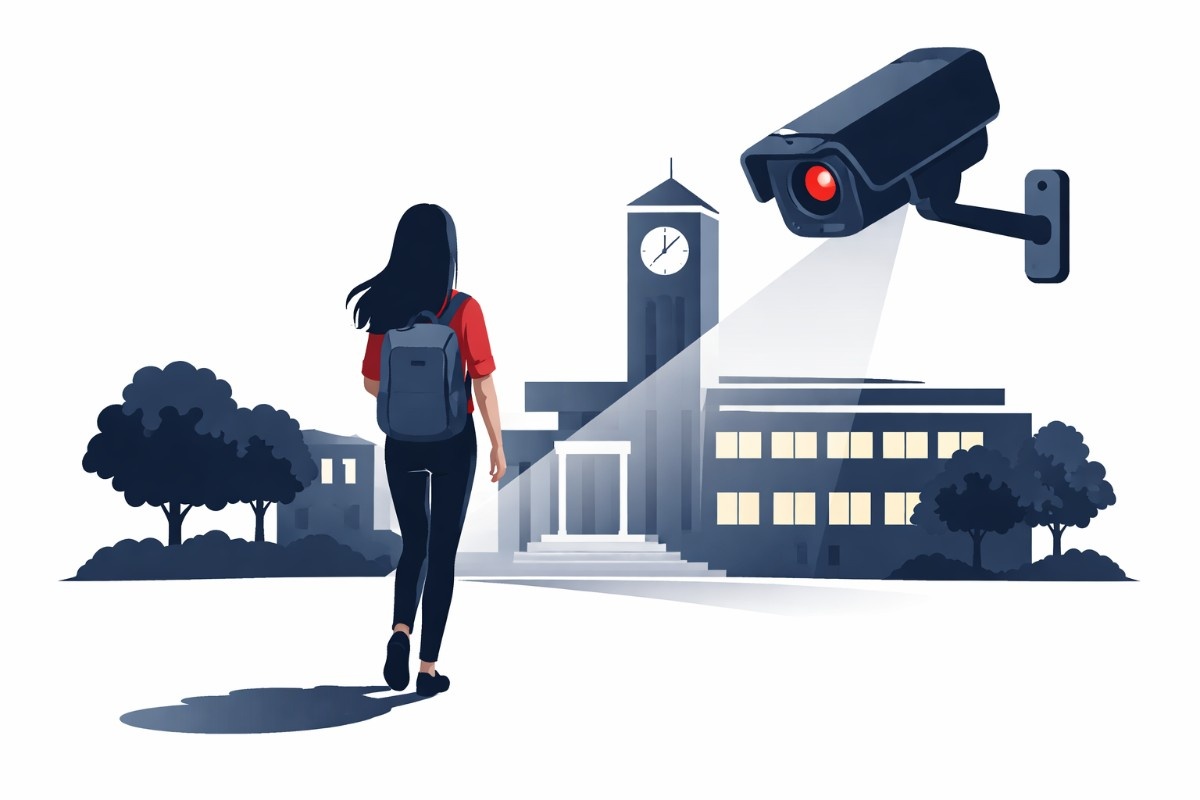
Safety at India’s premier engineering institutions has come under renewed scrutiny following a recent incident in which a student was injured inside the campus of the Indian Institute of Technology Palakkad. The episode has prompted protests, administrative reviews, and a broader debate about security preparedness across residential campuses in the IIT system.
According to police and institute officials, the incident occurred on the evening of February 23, 2026, when a final-year BTech student was allegedly attacked while walking between academic blocks on the IIT Palakkad campus. She sustained a head injury and was shifted to a nearby hospital for treatment, where she underwent surgery. Authorities have stated that she is currently in stable condition. An FIR has been registered and a police investigation is underway. Officials have confirmed that CCTV cameras are installed in many parts of the campus, but the specific stretch where the incident took place did not have surveillance coverage.
The assault triggered immediate concern among students, many of whom gathered on campus to demand improved security measures and greater transparency from the administration. Student representatives called for enhanced surveillance coverage, better lighting in less frequented areas, and stronger access control mechanisms. The institute administration has indicated that it will review existing safety systems and take steps to address identified gaps.
The incident at IIT Palakkad comes amid other recent security-related concerns at IIT campuses. In Mumbai, police earlier this month arrested a former student who allegedly placed live ammunition in a student’s bag inside a hostel at IIT Bombay. In a separate case, a 21-year-old student at IIT Bombay died after falling from a hostel terrace; authorities are investigating the circumstances of that fall. While each of these incidents differs in nature, together they have intensified conversations about campus safety, mental health support, and access control at India’s top technical institutions.
The IITs are large, residential campuses that host thousands of students, faculty members, and staff. Their open academic culture and expansive layouts are often seen as strengths, fostering collaboration and intellectual exchange. However, those same characteristics can create security challenges, particularly in areas that are less monitored or during late hours when foot traffic is low.
Security experts note that modern campus safety requires a layered approach. This includes comprehensive CCTV coverage without blind spots, effective gate and visitor management systems, regular patrols by trained security personnel, and strong coordination with local law enforcement. In addition, institutions must ensure that emergency response systems are clearly communicated and easily accessible to all students.
Parents have responded with understandable anxiety. For many families, admission to an IIT represents years of effort and sacrifice. Residential campuses are often chosen for their structured environment and perceived safety. In light of recent events, parents are seeking reassurances that institutes are not only reacting to incidents but proactively strengthening systems to prevent future occurrences.
Students, too, are calling for practical measures rather than symbolic assurances. Many have highlighted the need for improved lighting in isolated pathways, faster grievance redressal mechanisms, and transparent communication when incidents occur. Some have also emphasized the importance of mental health resources, arguing that campus well-being must be addressed holistically, not only through physical security infrastructure.
Administrators across IIT campuses have maintained that student safety remains a top priority. Following the Palakkad incident, local police recorded the victim’s statement and began examining available footage and other evidence. Institute officials have said that additional cameras may be installed and security patrols reviewed. However, timelines and specific implementation details have yet to be publicly outlined.
Higher education experts point out that campus safety cannot rely solely on technology. While surveillance systems and access controls are critical, creating a culture of awareness and responsibility is equally important. Clear reporting channels, swift action on complaints, and visible accountability help build trust between students and administrators. Regular safety audits, conducted by independent experts, are also increasingly seen as best practice in large residential institutions.
For parents and students evaluating their options, the key questions revolve around transparency and preparedness. Families may wish to inquire about the number and placement of surveillance cameras, the presence of trained security staff around the clock, emergency helplines, and established protocols for handling complaints. Students should be aware of campus safety apps, internal security numbers, and designated safe zones.
The recent events have underscored that even elite institutions are not immune to security challenges. As investigations continue, the focus will likely shift from immediate responses to longer-term reforms. Whether that translates into systemic upgrades across all IIT campuses will depend on sustained administrative commitment, student engagement, and oversight from governing bodies.
For now, the injured student’s recovery remains the primary concern. Beyond that, the broader conversation about campus safety at India’s leading technical institutions is unlikely to fade. The expectation from students, parents, and the public is clear: excellence in education must be matched by an equally strong commitment to safety and accountability.
Also read : https://newsproton.com/luxury-car-market-boom-in-india-why-demand-is-surging-in-2026/
Add newsproton.com as preferred source on google – Click here
Disclaimer: The information presented in this article is intended for general informational purposes only. While every effort is made to ensure accuracy, completeness, and timeliness, data such as prices, market figures, government notifications, weather updates, holiday announcements, and public advisories are subject to change and may vary based on location and official revisions. Readers are strongly encouraged to verify details from relevant official sources before making financial, investment, career, travel, or personal decisions. This publication does not provide financial, investment, legal, or professional advice and shall not be held liable for any losses, damages, or actions taken in reliance on the information provided.
Edited by Madhusudhan Reddy
Last Updated on: Wednesday, February 25, 2026 11:33 am by News Proton Team | Published by: News Proton Team on Wednesday, February 25, 2026 11:33 am | News Categories: Education