
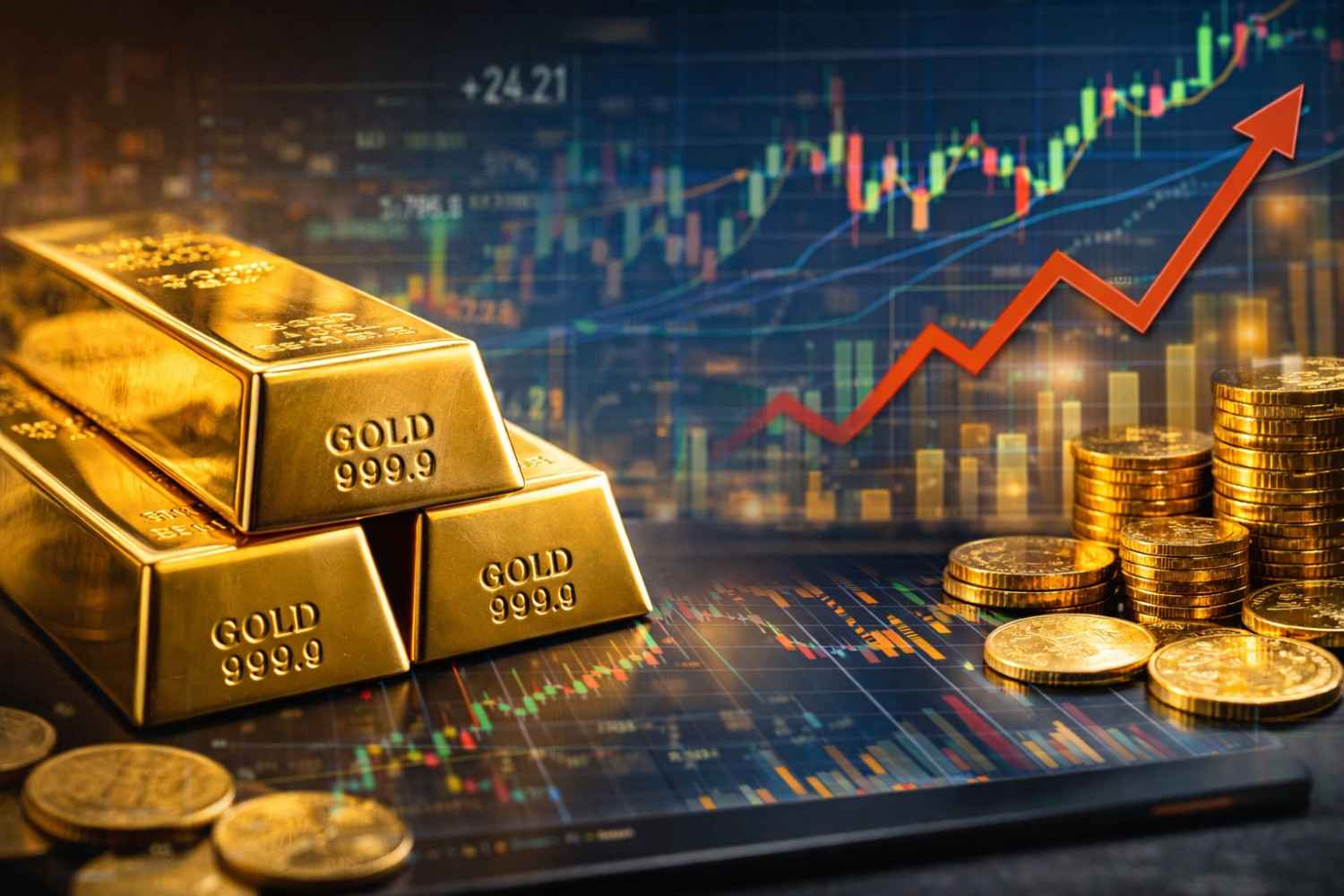
The gold rate today is one of the most frequently searched financial queries among investors, traders, and consumers alike. Whether it’s for making purchasing decisions in local markets, tracking investment performance, or understanding broader economic shifts, gold prices remain a key economic indicator.
Gold has traditionally been regarded as a safe-haven asset – a store of value that investors turn to in times of uncertainty. However, today’s gold rate is influenced not just by fear or demand, but by a complex mesh of global, domestic, and technical factors.
1. Global Market Dynamics and Safe-Haven Demand
One of the most powerful drivers of the gold rate today is global market sentiment. When equity markets experience volatility or geopolitical tensions escalate, investors often shift capital into gold as a protective asset.
This “flight to safety” typically pushes gold prices higher, as demand outpaces supply and investors prioritize stability over returns from riskier assets.
2. Currency Movements — Especially the US Dollar
The performance of the US dollar is closely tied to gold pricing worldwide. Because gold is globally traded in dollars, a stronger dollar can make gold more expensive for buyers using other currencies, often cooling demand.
Conversely, a weaker dollar frequently supports a higher gold rate today, because gold becomes relatively cheaper in other currencies, boosting global buying interest.
3. Inflation Expectations and Interest Rates
Inflation trends influence gold prices significantly. In periods of rising inflation or when real interest rates are low or negative, gold becomes more attractive as a way to preserve purchasing power.
Expectations around central bank rate decisions – especially from major economies – also shape the gold rate today, as they affect both inflation projections and opportunity costs for holding non-yielding assets like gold.
4. Central Bank Buying and Strategic Reserves
Central banks around the world buy and hold gold as part of foreign exchange reserves. When central banks increase their gold purchases, it can signal confidence in gold’s long-term value, nudging up global prices.
Activity from large central banks is watched closely by markets and can influence the gold rate today, sometimes more than other economic data.
5. Supply Constraints and Mining Trends
While gold is often perceived as a commodity that resides in vaults, it still depends on mining output for new supply. Changes in mining activity, logistical disruptions, or geopolitical issues in key producing regions can limit supply.
Scarcity pressures in the metal’s supply chains can contribute to higher gold rate today, especially when global demand is rising.
6. Jewelry and Consumer Demand in India
India is one of the world’s largest consumers of gold, particularly for jewelry and cultural occasions. Domestic demand patterns – tied to festivals, weddings, and seasonal buying – play an important role in the gold rate today.
When jewelry demand surges, local price trends adjust accordingly, alongside global pricing.
7. Technical and Short-Term Trading Patterns
Short-term market traders and technical analysis also influence the gold rate today. Chart patterns, support and resistance levels, and momentum indicators can drive rapid buying or selling among speculators.
This trading activity can accentuate short-term price movements – even when underlying economic fundamentals remain stable.
How the Gold Rate Today Affects Everyday Buyers
For everyday consumers, the gold rate today directly impacts how much they pay for jewelry, bullion, or coins. In markets across India, the quoted rate influences making charges, premiums, and local pricing formats.
Many buyers track daily gold rates before purchasing, especially during holiday seasons or auspicious occasions, to get the best possible value.
Investment Perspective: Gold as a Long-Term Asset
From an investment standpoint, gold is often used for diversification. Unlike stocks or bonds, gold tends to hold value during downturns, offering a hedge against uncertainty.
However, investors are advised to look beyond the gold rate today and consider long-term trends, storage costs, and portfolio allocation strategies when buying or selling gold.
The gold rate today reflects a dynamic interplay of global trends, economic indicators, and market psychology. While short-term factors can create volatility, gold’s long-standing role as a store of value continues to attract interest from both consumers and investors.
Understanding the forces shaping gold prices—from central bank policies to domestic consumption patterns—helps individuals make informed decisions, whether they are buying jewelry, storing wealth, or building diversified portfolios.
Also Read: OnePlus Dismantled: 7 Powerful Insights Revealed Through a Detailed Teardown
Follow us on google news: Click Here
Last Updated on: Wednesday, January 21, 2026 4:45 pm by E Devanshi Varma | Published by: E Devanshi Varma on Wednesday, January 21, 2026 4:41 pm | News Categories: News