
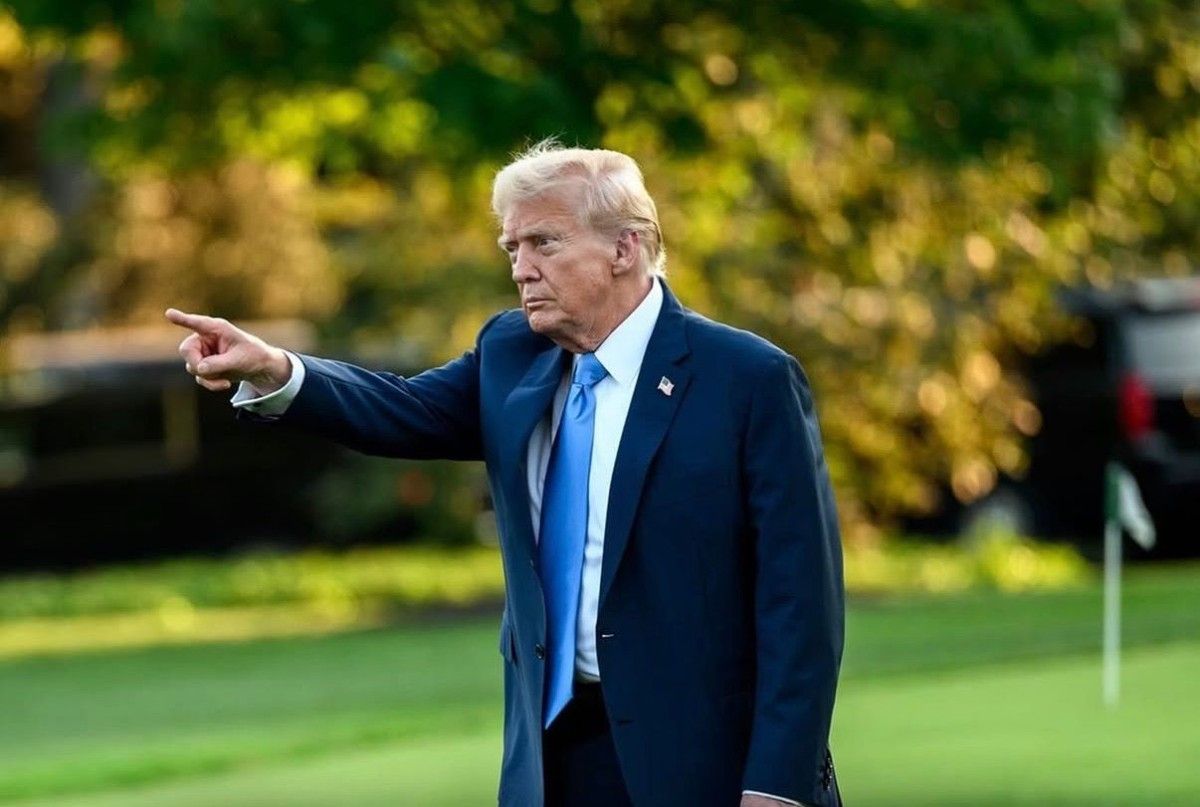
The intensifying crisis in the Middle East has exposed growing diplomatic fault lines, with Donald Trump finding himself increasingly isolated as several key countries decline to support Washington’s military posture against Iran. The situation marks a significant departure from past conflicts, where the United States was able to mobilize broad international coalitions, and reflects a shifting geopolitical environment shaped by caution, economic concerns and regional sensitivities.
Across Europe, traditional U.S. allies have adopted a notably restrained stance. Governments in countries such as France, Italy and Spain have resisted calls to provide logistical or military assistance, signaling discomfort with both the scale of escalation and the legal framework surrounding the conflict. Their reluctance has translated into practical measures, including limiting access to military infrastructure and withholding direct operational support, underscoring a broader hesitation to be drawn into a prolonged confrontation.
The cautious approach extends to the Gulf region, where countries that have historically aligned with Washington are now recalibrating their positions. Saudi Arabia and the United Arab Emirates, while wary of Iran’s regional influence, have stopped short of offering overt military backing to the United States. Instead, they have emphasized the need to avoid a wider regional war that could destabilize already fragile economies and security arrangements. Concerns over potential retaliation and the vulnerability of critical infrastructure have further reinforced their measured response.
This reluctance has left Washington struggling to assemble a unified international front, even as tensions continue to escalate. Analysts note that the memory of past interventions, combined with domestic political pressures in many countries, has made governments more cautious about committing to another major conflict in the region.
Despite facing sustained military and economic pressure, Iran has not been entirely isolated. Tehran continues to rely on a network of regional allies and aligned groups that provide both strategic depth and operational reach. The Houthi movement in Yemen has emerged as one of the most visible supporters, publicly backing Iran and engaging in actions that align with its broader regional objectives. Similar support structures exist in parts of Iraq and Lebanon, where Iran-linked groups contribute to a multi-layered security dynamic that complicates any direct military campaign against Tehran.
On the global stage, major powers have refrained from endorsing Washington’s approach. Russia has called for restraint and dialogue, positioning itself as a counterweight to U.S. strategy, while Turkey has emphasized diplomatic solutions and regional stability. Pakistan, too, has voiced opposition to external intervention, reflecting broader concerns among non-Western nations about the risks of escalation and the precedent such actions might set.
The economic implications of the crisis have further influenced international responses. Disruptions around the Strait of Hormuz, a vital artery for global oil shipments, have raised alarms about supply stability and price volatility. With energy markets already under strain, many countries are wary of supporting actions that could intensify the disruption and trigger wider economic fallout.
Within the United States, the conflict has also sparked debate over its long-term costs and objectives. While the administration maintains that its actions are necessary to counter threats and assert strategic interests, critics argue that the absence of a broad coalition undermines both the legitimacy and sustainability of the campaign. Public sentiment appears increasingly cautious, with growing calls for a clearer path toward de-escalation.
As the crisis unfolds, the geopolitical landscape continues to evolve. The United States retains significant military capability, but its ability to operate effectively without widespread international backing is being tested. Iran, for its part, is leveraging regional alliances and asymmetric strategies to counterbalance that power, ensuring that the conflict remains complex and difficult to resolve.
The current standoff highlights a pivotal moment in global diplomacy, where traditional alliances are under strain and the balance between military action and international consensus is becoming more critical than ever.
Also Read : https://newsproton.com/lsg-vs-dc-ipl-2026-pants-lucknow-face-axars-delhi-in-high-stakes-opener/
Edited by Madhusudhan Reddy
Last Updated on: Wednesday, April 1, 2026 11:10 am by Madhusudhan Reddy | Published by: Madhusudhan Reddy on Wednesday, April 1, 2026 11:10 am | News Categories: Trending